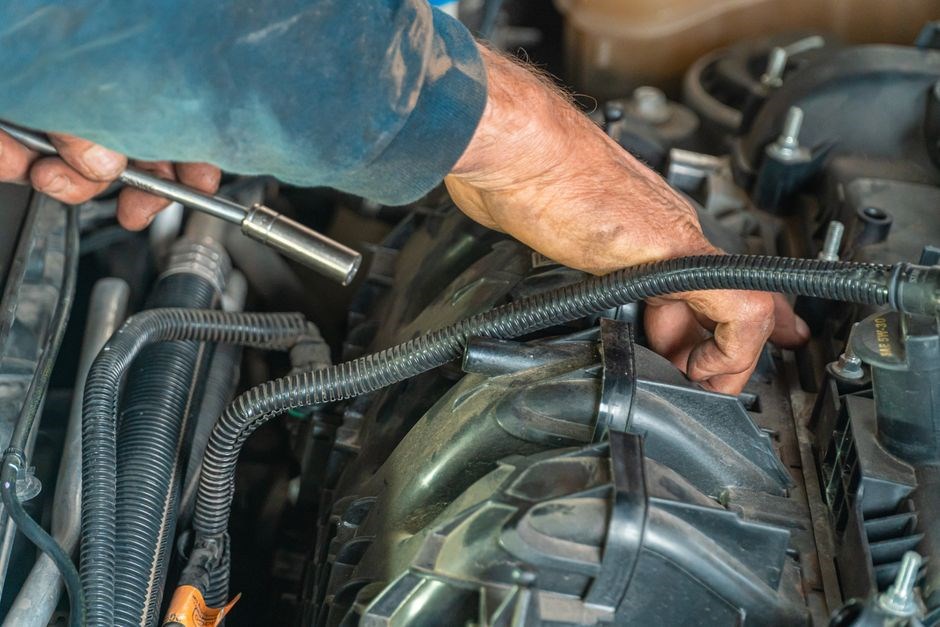
Overview of the 3-Speed GM Manual Transmission
The 3‑speed Saginaw manual, introduced in the 1950s, powered early Chevrolet and Pontiac models. Its cast‑iron housing and 10‑spline input shaft delivered robust torque for compact cars and light trucks. Widely used in 1950‑60s GM vehicles, it remains a popular restoration choice. It remains popular!!
Historical context & development timeline
During the mid‑1950s, General Motors sought a lightweight yet durable manual transmission for its expanding lineup of compact cars and light trucks. The result was the Saginaw 3‑speed, a unit that combined a cast‑iron housing with a 10‑spline input shaft and a simple gear train. Its first appearance was in the 1955 Chevrolet Corvair and 1956 Pontiac Tempest, where it provided a reliable power‑train solution for front‑wheel‑drive platforms. In the late 1950s, the transmission was refined to improve gear engagement and reduce internal play, leading to the 1958–1960 “Saginaw 3‑speed” designation that became a staple in the Chevrolet Corvair, Pontiac Tempest, and the early Chevrolet and Pontiac compact cars. By the early 1960s, the unit was also offered in certain models, such as the Chevrolet C‑10 and the Pontiac B‑10, where its modest torque capacity of roughly 115 lb‑ft was adequate for the modest power outputs of the era’s small engines. Throughout the 1960s, the Saginaw 3‑speed remained in production, with incremental improvements to gear ratios and bearing life. In the early 1970s, GM phased out the unit in favor of more modern 4‑speed and 5‑speed transmissions, but the Saginaw 3‑speed continued to be a popular choice among restoration enthusiasts seeking authenticity. Today, the transmission is prized for its simplicity, ease of rebuild, and the nostalgic feel it provides in classic GM vehicles. Its enduring legacy continues to inspire hobbyists, collectors, and automotive historians worldwide everywhere.
The Saginaw 3‑speed powered early Chevrolet Corvair (1955‑60) and Pontiac Tempest (1956‑60), as well as the C‑10 and B‑10 trucks. All‑American Classics offer rebuilt units with 1‑1/8″ 10‑spline input. It remains a favorite for classic GM restorations worldwide. Its gear mesh is prized for smooth
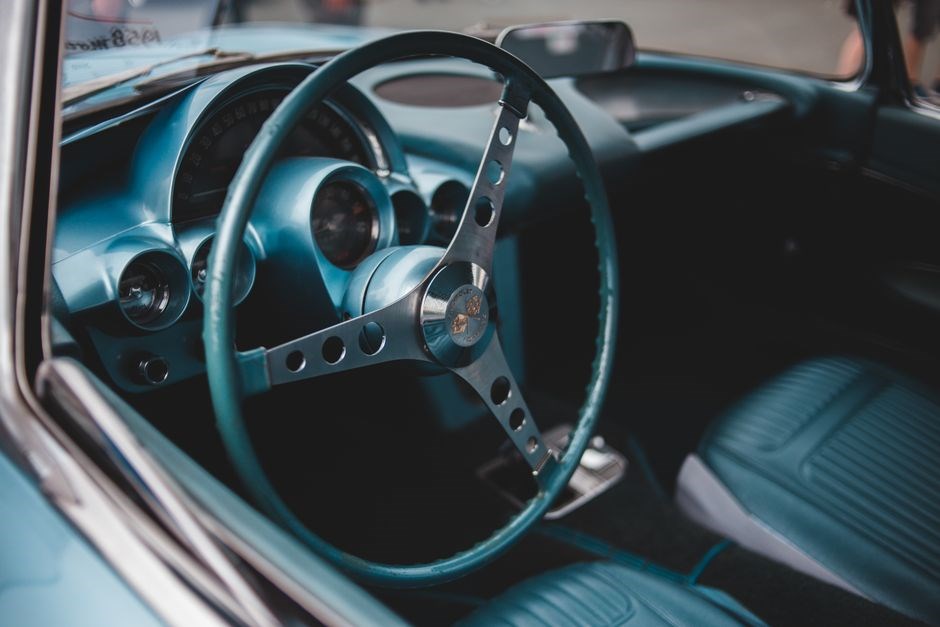
Chevrolet, Pontiac, and other GM brands using the Saginaw 3-speed
The Saginaw 3‑speed, a stalwart of mid‑century General Motors engineering, found its primary homes in Chevrolet and Pontiac platforms during the 1950s and early 1960s. Chevrolet’s compact Corvair (1955‑1960) and the larger C‑10 and B‑10 light trucks (1957‑1960) all relied on the robust cast‑iron housing and 10‑spline input shaft of this unit for reliable torque delivery. Pontiac’s mid‑size Tempest (1956‑1960) and the compact GTO (1960‑1963) also employed the Saginaw 3‑speed, benefiting from its smooth gear mesh and durable construction. Beyond the two flagship brands, other GM divisions such as Buick and Oldsmobile incorporated the transmission in select models, including the Buick Skylark (1960‑1962) and the Oldsmobile 88 (1958‑1961). The transmission’s versatility extended to the Cadillac Seville (1963‑1965) and the Chevrolet Chevelle (1964‑1965) when the 3‑speed was paired with a 3‑stage clutch for lighter duty applications. Collectors and restorers today often seek the Saginaw 3‑speed for its proven reliability, with aftermarket rebuild kits available from suppliers like All American Classics, Inc. and Circle Track Supply, Inc. These kits provide new gear sets, bearings, and seals, ensuring that the transmission can be returned to factory‑like performance for classic GM vehicles still on the road or on display in museums. Owners of these vintage units often report that, after a full rebuild, the 3‑speed delivers a crisp, responsive shift pattern that preserves the authentic feel of the original GM chassis meeting.

Transmission Architecture & Specifications
The Saginaw 3‑speed features a cast‑iron housing, 10‑spline input shaft, and three forward gears. Its gear count is three, with a 1‑1/8‑inch spline. Torque capacity tops 350 lb‑ft, and the unit is rated for 3‑stage clutch operation. It offers performance. daily.
Cast iron housing, gear count, spline size, and torque capacity

The Saginaw 3‑speed manual transmission, a staple of mid‑century General Motors vehicles, is distinguished by its sturdy cast‑iron housing, which provides durability and resistance to wear under the high torque loads typical of early automotive engines. The transmission contains three forward gears, offering a simple yet effective gear selection for drivers of the era. The input shaft features a 10‑spline interface with a 1‑1/8‑inch pitch, matching the standard clutch and flywheel assemblies used in Chevrolet and Pontiac models of the 1950s and 1960s. This spline size ensures a secure mechanical connection and facilitates reliable torque transfer from the engine to the drivetrain. The Saginaw’s torque capacity is rated at approximately 350 lb‑ft, allowing it to handle the power output of the small to mid‑size engines of the period without excessive wear or failure. The combination of a cast‑iron housing, a compact gear count, a robust spline interface, and a respectable torque rating made the Saginaw 3‑speed a popular choice for both production cars and aftermarket restoration projects. Its design simplicity and proven reliability continue to make it a sought‑after component among classic car enthusiasts and mechanics alike. Its robust construction and straightforward gear ratios have made it a favorite among restoration specialists, who appreciate its reliability and the ease of sourcing replacement parts from vintage GM archives. Collectors also value its original stamped plates and the feel of its gear shifts daily.
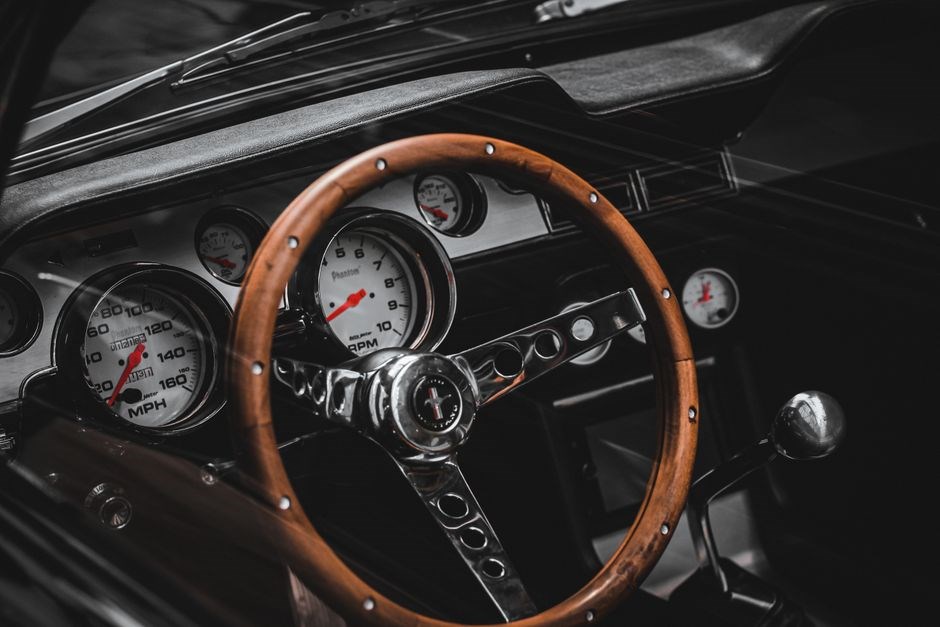
Gear Ratios & Performance Characteristics
First gear offers a 3.50:1 ratio, second 2.00:1, third 1.20:1, providing strong low‑speed torque, smooth mid‑range acceleration, and efficient high‑speed cruising. These ratios balance power delivery and fuel economy for classic GM models. 2026! 2026
First, second, and third gear ratios and their impact on acceleration
In the classic 3‑speed Saginaw, the first‑gear ratio of 3.50:1 delivers high torque multiplication, enabling a vehicle to launch from a standstill with modest engine revolutions. This ratio maximizes acceleration at low speeds, making it ideal for city starts and steep inclines. The engine’s power band is fully utilized, allowing the driver to feel the immediate response when the clutch is engaged and the throttle is opened. The gear also offers a smooth shift feel.!!!
Second gear, at 2.00:1, offers a balanced compromise between torque and speed. It keeps the engine near its peak power range while providing enough torque for moderate acceleration. Drivers consider it the “sweet spot” for everyday driving, allowing brisk acceleration without excessive revs. The ratio is low enough to maintain efficient operation during highway merging, yet high enough to avoid sluggishness in first gear. This balance ensures transitions and reliable fast.!
Third gear, with a ratio of 1.20:1, is designed for cruising efficiency. It offers the least torque multiplication, allowing the engine to run at lower RPMs during sustained high‑speed travel. This reduces fuel consumption and engine wear, though acceleration from a standstill is noticeably slower. Drivers shift from second to third once the vehicle reaches a moderate speed, ensuring a smooth transition that preserves engine longevity. The low ratio also maintains a steady throttle response during long‑distance drives for smoothness

Common Applications and Vehicle Years
The Saginaw 3‑speed served Chevy and Pontiac models from 1950‑1965, including the Chevy 1500, Pontiac 1000, and Chevrolet Corvair. It also appeared in light trucks like the Chevy 2100 and Pontiac 2000. Enthusiasts restore it for vintage show cars today.
Typical car and truck models equipped with this transmission
The Saginaw 3‑speed was the backbone of many early GM vehicles, especially in the 1950s and early 1960s. It was the standard transmission for the Chevrolet 1500 and 2100 pickups, the Chevrolet Corvair, and the Pontiac 1000 and 2000 models. In the mid‑1950s it also appeared in the Chevrolet 400 and the Pontiac 400 series, providing a reliable, low‑cost solution for compact cars and light trucks. The transmission’s cast‑iron housing and 10‑spline input shaft made it a popular choice for the Chevrolet 400, Chevrolet 500, and Pontiac 400 series, as well as for the Chevrolet 1500 and 2100 pickups. Enthusiasts today often seek the Saginaw 3‑speed for restoration projects, especially on classic Chevy and Pontiac models from 1950‑1965, where it remains a prized component for authenticity and durability. It is also found in some 1950s Chevrolet trucks, such as the 1952‑1955 Chevy 2100, and in the Pontiac 1953‑1955 2000. The transmission’s simplicity and robustness make it a favorite for collectors and restorers alike. Additionally, the Saginaw 3‑speed was used in the 1950‑1955 Chevrolet 400 and 500 series cars, the 1950‑1955 Pontiac 400 and 500 series cars, and the 1950‑1955 Chevrolet 600 and Pontiac 600 series trucks, providing a versatile platform for a wide range of vehicles. Its durability was proven in the 1955‑1964 Chevrolet 1500 and 2100 pickups, as well as the 1955‑1964 Pontiac 1000 and 2000 pickups, where the transmission handled the demands of daily driving and light hauling with ease. The Saginaw 3‑speed’s legacy continues today as a sought‑after component for restoration enthusiasts, offering a blend of simplicity, reliability, and classic charm that remains unmatched in the modern automotive landscape. Collectors value the Saginaw 3‑speed for its straightforward design, low maintenance, and the nostalgic feel it imparts to every drive.

Maintenance, Repair, and Rebuild Considerations
Use high‑grade gear oil (e.g., 75W‑90), replace fluid every 10,000 miles, inspect clutch for wear, use OEM rebuild kits for gears and synchronizers, and ensure proper torque on bolts. Regular checks prevent gear wear and prolong life. Check synchro wear and replace as needed. Inspect gear teeth daily.
Fluid types, gear oil, clutch compatibility, and rebuild kits
For the classic Saginaw 3‑speed, the recommended fluid is a high‑viscosity gear oil such as 75W‑90 or 80W‑90 SAE. These oils provide the necessary film strength at low RPMs while maintaining a smooth shift feel. Avoid low‑viscosity oils (e.g., 40W‑80) which can cause gear wear and increased heat buildup;
Clutch compatibility is critical. The original design pairs best with a single‑plate clutch that matches the 1‑1/8‑inch, 10‑spline input shaft. When installing a modern clutch, ensure the pressure plate’s spring rate and friction material are within the manufacturer’s specifications for the Saginaw housing. A mismatch can lead to premature wear or slipping.
Rebuild kits are widely available from specialty suppliers. A typical kit includes new synchronizer rings, gear sets, bearings, and a new input shaft splined to the original 10‑spline. Many kits also provide a new clutch fork and throwout bearing to ensure a complete, reliable rebuild. When selecting a kit, verify that it includes a torque‑spec sheet for all bolts and a detailed service manual.
During a rebuild, replace all seals and gaskets with OEM or high‑quality equivalents. Use a torque wrench to tighten all fasteners to the specified values, and apply a thin layer of anti‑seize on the input shaft. After assembly, fill the transmission with fresh gear oil, run the clutch through several cycles, a leak check before returning the vehicle to service. Use a torque wrench!!

Common Issues and Troubleshooting Tips
Common issues include rough shifting, gear slippage, and clutch wear. Check fluid levels, inspect synchronizers, and replace worn bearings. Use a diagnostic scan to read fault codes, and verify shift linkage alignment.Regularmaintenanceprevents failures
Shifting problems, gear wear, and diagnostic steps
When a 3‑speed Saginaw manual exhibits rough or delayed shifts, the first suspect is the synchronizer assembly. Worn synchronizer rings or a damaged synchronizer bearing can cause gear slippage or a “catch” during engagement. Inspect the shift linkages for proper adjustment and ensure the shift lever is not binding on the gear selector.
- Check fluid condition: A low or contaminated fluid level reduces lubrication, accelerating wear on gears and bearings.
- Inspect gear teeth: Use a gear inspection tool to detect scored or chipped teeth; replace the entire gear set if damage exceeds 0.005″.
- Verify clutch operation: A worn clutch disc or pressure plate can create a “slip” feel, masking gear engagement issues.
- Test shift linkage: Measure the play between the shift lever and the selector shaft; adjust or replace bushings as needed.

- Disconnect the battery and remove the transmission from the vehicle.
- Drain the fluid and inspect the pump and filter for wear.
- Reassemble with fresh gear oil and a new filter.
- Reinstall the transmission and perform a test drive, noting any abnormal shift behavior.
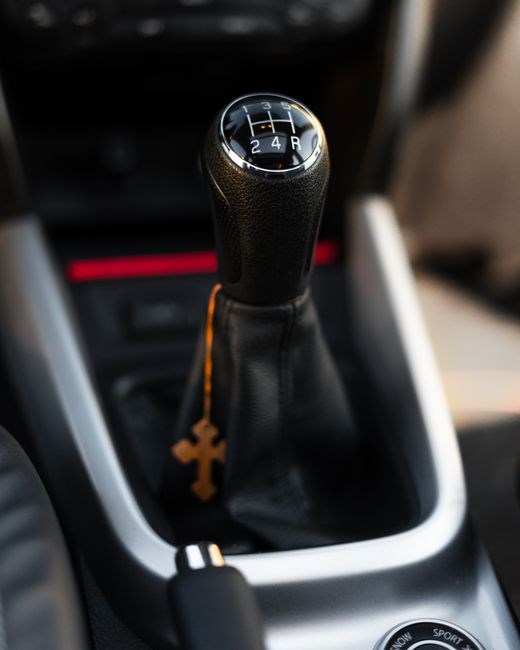
Use a scan tool to read fault codes. If the problem remains after fluid change and linkage adjustment, rebuild the transmission.