
Following Jesus’s ascension, the initial followers—the twelve apostles and their close companions—faced escalating persecution and diverse, often brutal, ends.
Early Christian communities, meeting privately for roughly two centuries, endured hardship, and accounts of the apostles’ deaths emerged through biblical texts and traditions.
These narratives, though sometimes fragmented or conflicting, paint a picture of unwavering faith amidst intense opposition, detailing varied martyrdoms and final journeys.
Historical Context & Early Christian Persecution
The first century AD witnessed a volatile political and religious landscape within the Roman Empire, profoundly impacting the nascent Christian movement. Initially, Christianity was viewed as a sect within Judaism, enjoying a degree of tolerance. However, as the faith spread amongst Gentiles, diverging from Jewish customs, it increasingly drew suspicion and hostility from both Jewish authorities and Roman officials.
Roman governance, while generally tolerant of diverse religious practices, demanded loyalty to the emperor and the state gods. Christians’ refusal to participate in emperor worship, perceived as a challenge to Roman authority, triggered localized persecutions. These weren’t systematic, empire-wide campaigns initially, but rather sporadic outbreaks of violence fueled by social unrest and accusations of disrupting public order.

Early Christians gathered in private homes, fostering a sense of community but also vulnerability. Accusations of cannibalism (misunderstanding the Eucharist) and incest (referring to brotherly/sisterly love within the community) further inflamed public opinion. The apostles, as prominent leaders, became prime targets, facing imprisonment, torture, and ultimately, execution for their beliefs, setting a precedent for future Christian martyrs.
Sources of Information: Biblical Accounts & Tradition
Information regarding the deaths of Jesus’s apostles stems from a complex interplay of biblical accounts and subsequent Christian tradition. The New Testament itself offers limited explicit details about the fate of most apostles; the Book of Acts provides some information, notably the martyrdom of James, son of Zebedee.
However, the majority of accounts originate from extra-biblical sources – writings of early Church Fathers, hagiographies (biographies of saints), and apocryphal texts. These sources, compiled decades and even centuries after the apostles’ deaths, often blend historical kernels with legendary embellishments, making verification challenging.
For instance, traditions surrounding the martyrdoms of Peter and Paul are well-established, yet details vary. Similarly, accounts of Andrew, Thomas, and Matthew’s deaths are geographically diverse and often contradictory. While these traditions aren’t considered historically definitive, they reflect the early Church’s reverence for the apostles and their willingness to endure suffering for their faith, shaping the narrative of their final days.

The Deaths of the Original Twelve Apostles
The twelve apostles met diverse and often violent ends, facing persecution for their faith; traditions detail crucifixion, stoning, and other brutal martyrdoms across the Roman world.
Simon Peter: Crucifixion & Roman Opposition
Simon Peter, considered the foundational rock of the Church by Jesus, faced significant opposition from Roman authorities. Tradition overwhelmingly states he was crucified in Rome during the reign of Emperor Nero, likely around 64 AD, during the persecution of Christians following the Great Fire of Rome.

However, a compelling and widely circulated tradition asserts Peter requested to be crucified upside down, believing himself unworthy to die in the same manner as his Lord and Savior, Jesus Christ. This request was reportedly granted. Accounts suggest the crucifixion occurred on the Vatican Hill, a site now occupied by St. Peter’s Basilica.
Historical evidence corroborating the precise details of Peter’s death remains limited, relying heavily on early Church writings and oral traditions. Nevertheless, the narrative of his martyrdom became a powerful symbol of faith and sacrifice for early Christians, solidifying his legacy as a pivotal figure in the nascent Church.
Andrew: Martyrdom by Crucifixion
Andrew, brother of Simon Peter and another of Jesus’s earliest disciples, is traditionally believed to have been crucified in Patras, Greece. Accounts indicate he preached extensively in regions including Scythia and Byzantium before ultimately facing martyrdom.
Unlike Peter’s reported request, tradition states Andrew was bound, rather than nailed, to a cross – an X-shaped cross, now known as St. Andrew’s Cross. This form of crucifixion was considered particularly agonizing and prolonged. Local authorities, reportedly disturbed by his persistent preaching and growing following, ordered his execution.
Early Church historians, such as Tertullian, document Andrew’s missionary journeys and eventual martyrdom. While specific details surrounding his trial and condemnation are scarce, the consistent narrative across various sources points to his unwavering faith and ultimate sacrifice for his beliefs. His death cemented his status as a patron saint of Greece, Scotland, and Russia.
James, Son of Zebedee: Execution by Herod Agrippa I
James, son of Zebedee, and brother of John, holds the distinction of being the first apostle to be martyred, as recorded in the Book of Acts. His execution occurred around 44 AD in Jerusalem, under the reign of Herod Agrippa I, a ruler known for his persecution of early Christians.
The biblical account details James’s arrest while preaching to Jewish believers. Herod, seeking to appease certain segments of the Jewish population, ordered his imprisonment and, ultimately, his death by the sword. This act was motivated by religious and political considerations, aiming to solidify Herod’s power.
Unlike many other apostles whose deaths are shrouded in tradition, James’s execution is explicitly documented in the New Testament, providing a clear historical record. His unwavering faith and steadfast commitment to Jesus, even in the face of death, served as an inspiration to the early Church and continues to resonate today.
John: Natural Death or Exile – Conflicting Accounts
The fate of John, the “beloved disciple,” presents a unique case among the apostles, as accounts surrounding his death diverge significantly. Unlike most, tradition doesn’t uniformly depict John as suffering a violent martyrdom. Instead, two primary narratives exist regarding his final years.
One account suggests John lived to an old age, dying peacefully in Ephesus. This view is supported by some historical sources and implies he was the only apostle to avoid a martyr’s death. However, another tradition asserts that John was exiled to the island of Patmos, where he penned the Book of Revelation.
While on Patmos, he allegedly endured harsh conditions, and some believe he ultimately died there from illness or exhaustion. The uncertainty surrounding John’s death contributes to his enigmatic persona, leaving historians and theologians to debate his final destiny.
Philip: Martyrdom in Hierapolis
Tradition holds that Philip, one of the original twelve apostles, met his end through martyrdom in Hierapolis, a city located in modern-day Turkey. Accounts detail a particularly gruesome fate, though specifics vary across historical sources.
The most prevalent narrative describes Philip being crucified upside down, a method seemingly reserved for those considered particularly offensive to Roman authorities, mirroring the fate attributed to Simon Peter in some accounts. Other versions suggest he was flogged, imprisoned, and ultimately crucified.
His alleged crimes included preaching the Gospel and performing miracles, actions deemed subversive by the local Roman authorities and the pagan population of Hierapolis. Philip’s unwavering dedication to his faith, even in the face of brutal persecution, solidified his legacy as a steadfast apostle.
Bartholomew (Nathanael): Flayed Alive or Crucified
Bartholomew, often identified as Nathanael – the apostle Jesus described as “a man in whom there is no deceit” – faced a horrific and contested end. Historical accounts surrounding his death present two particularly brutal possibilities, reflecting the intense persecution early Christians endured.
The most graphic account claims Bartholomew was flayed alive – his skin peeled from his body – by order of a local king, Astyages of Armenia, for converting the king’s daughter to Christianity. This agonizing death is depicted in several artistic representations.
Alternatively, some traditions state Bartholomew was crucified, possibly upside down like Peter, in Armenia. While less graphically detailed than the flaying account, crucifixion remained a torturous and humiliating form of execution. Regardless of the precise method, Bartholomew’s unwavering faith led to a martyr’s death.
Thomas: Speared to Death in India
The Apostle Thomas, known for his initial doubt regarding Jesus’s resurrection, is traditionally believed to have traveled extensively as a missionary, reaching as far as India. Unlike many of his fellow apostles who met their end within the Roman Empire, Thomas’s ministry and martyrdom occurred in South India, specifically near modern-day Chennai.
According to tradition, Thomas converted many locals to Christianity, which angered local Brahmins and Hindu rulers. They viewed his teachings as a threat to their established religious practices and social order. Consequently, Thomas was reportedly speared to death by a group of soldiers.
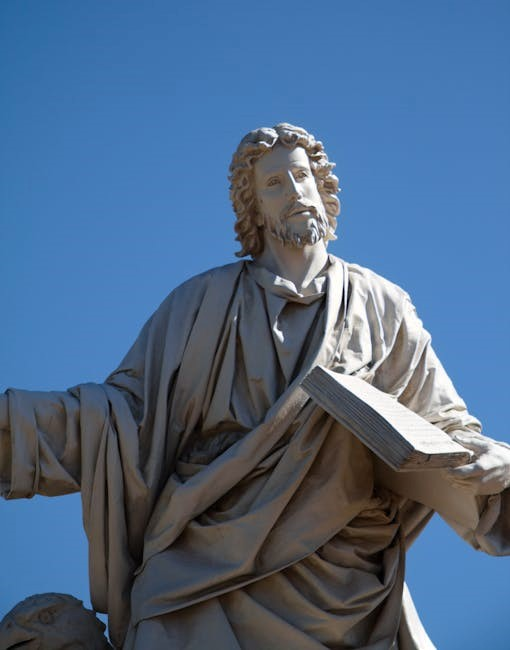
The St. Thomas Mount in Chennai marks the spot where he is believed to have been killed, becoming a significant pilgrimage site for Christians. His remains were said to have been brought back to Italy, further solidifying his legacy as a devoted apostle who died for his faith.
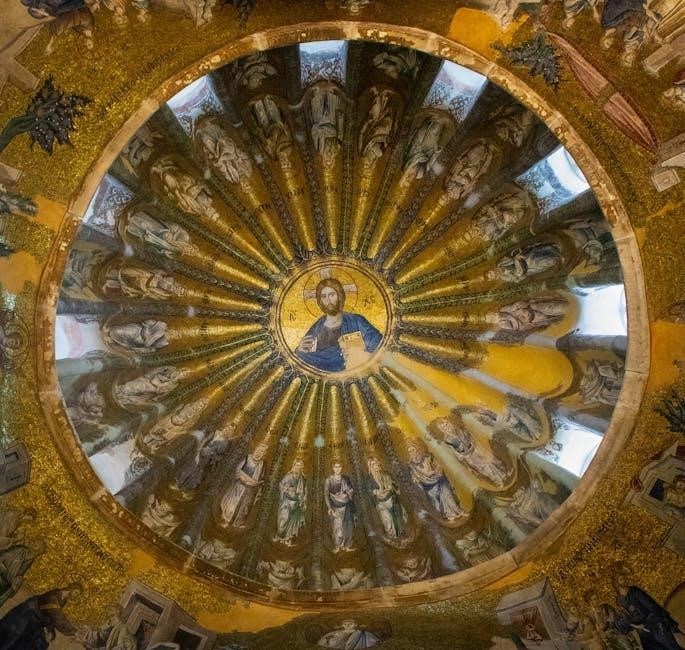
Matthew: Multiple Accounts of Martyrdom (Ethiopia, Macedonia)
The fate of the Apostle Matthew, traditionally considered the author of the first Gospel, is shrouded in varying accounts, making a definitive determination of his death challenging. Unlike some apostles with clearly documented martyrdoms, Matthew’s end is described differently across various historical and religious traditions.
One prominent tradition places his martyrdom in Ethiopia, where he is said to have been killed by a sword wound while preaching the Gospel. Another account suggests he died in Macedonia, also through execution, though the specific method isn’t consistently reported.
These discrepancies highlight the difficulties in verifying historical details from this period, relying heavily on oral traditions and later writings. Regardless of the precise location or method, the consensus remains that Matthew ultimately died as a martyr for his faith, spreading Jesus’s message until his final moments.
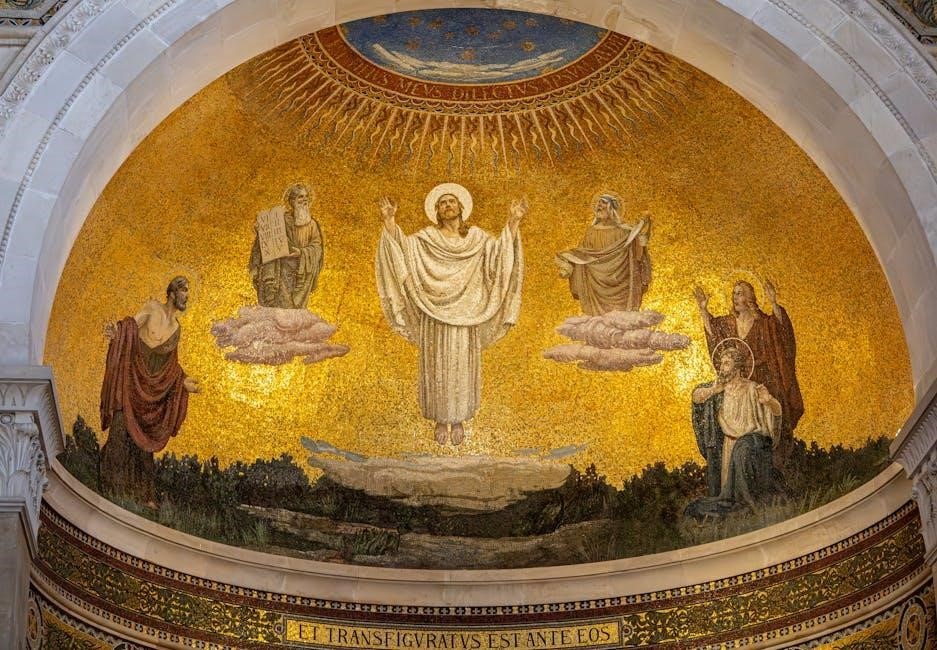
James, Son of Alphaeus: Stoned to Death in Jerusalem
James, the son of Alphaeus, one of the original twelve apostles, met a particularly brutal end, according to historical accounts. Unlike some of his brethren who faced Roman persecution in distant lands, James’s martyrdom occurred within the very city where Jesus was crucified – Jerusalem.
Tradition states that he was condemned to death by the Sanhedrin, the Jewish high court, for his unwavering proclamation of Jesus as the Messiah. The method of execution was stoning, a common practice at the time for those accused of blasphemy or religious offenses.
Accounts detail that he was brought before the assembled crowd and, after a vocal defense of his faith, was pelted with stones until he died. This act underscores the intense opposition faced by the early Christians from certain segments of the Jewish community, and James’s death represents a significant early martyrdom within Jerusalem itself.
Thaddaeus (Judas, Son of James): Shot with Arrows
Thaddaeus, also known as Judas, son of James, faced a uniquely violent and agonizing death, as recounted in various historical and traditional sources. His missionary work reportedly extended to Syria and Mesopotamia, regions where he ultimately suffered martyrdom.
The most prevalent account details that Thaddaeus was executed by being shot repeatedly with arrows. This gruesome fate is attributed to his steadfast refusal to renounce his faith in Jesus Christ, even under immense pressure and threat of death.
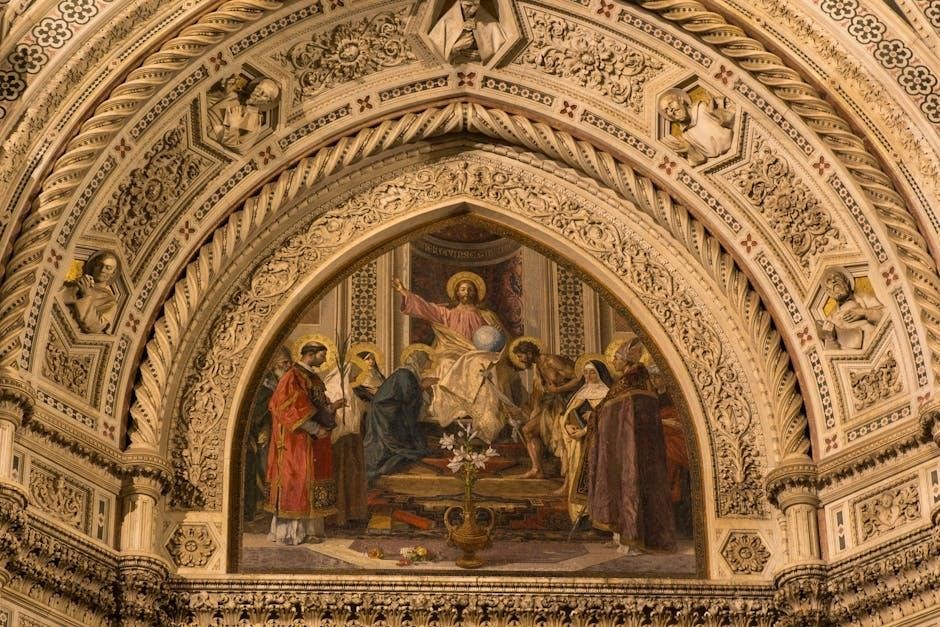
Some traditions specify that this occurred in the city of Seleucia, while others place it in Persia. Regardless of the precise location, the manner of his death highlights the extreme hostility and persecution faced by the apostles as they spread the Gospel. The image of Thaddaeus pierced by arrows serves as a stark reminder of the cost of discipleship.
Simon the Zealot: Crucified or Sawn in Half
Simon the Zealot, distinguished by his former association with a Jewish political movement advocating for resistance against Roman rule, experienced a particularly brutal end, with accounts varying significantly regarding the specifics of his martyrdom.
One prominent tradition asserts that Simon was crucified, mirroring the fate of his Lord and Savior, Jesus Christ. This execution likely occurred in Persia, where he is believed to have preached the Gospel and established early Christian communities.
However, another, more graphic account claims Simon was sawn in half as a form of execution. This horrific method underscores the intense animosity and relentless persecution directed towards the apostles for their unwavering faith. The conflicting narratives surrounding Simon’s death reflect the challenges in definitively reconstructing historical events from ancient sources, yet both portray a martyr’s unwavering commitment.
Judas Iscariot: Suicide & Its Aftermath
Judas Iscariot, the apostle who betrayed Jesus, occupies a uniquely tragic position within the New Testament narrative, culminating in his infamous suicide following the crucifixion. Overwhelmed by remorse after witnessing the consequences of his actions, Judas returned the thirty pieces of silver to the chief priests and elders.
Consumed by despair, he went and hanged himself, a stark contrast to the martyred deaths of the other apostles. The biblical account in Matthew details the purchase of a “field of blood” with the returned silver, intended as a burial ground for foreigners—a grim testament to Judas’s fate.
The aftermath of Judas’s death involved the acquisition of this field, forever linking his name to a place of sorrow and infamy. His story serves as a cautionary tale about betrayal, repentance, and the devastating consequences of choices made against divine will.

Beyond the Twelve: The Deaths of Other Key Figures
While the apostles’ fates are central, other devoted followers also faced persecution; Paul the Apostle was beheaded in Rome, and Mary Magdalene’s end remains uncertain.
Paul the Apostle: Beheading in Rome
Saul, later known as Paul, initially persecuted Christians before undergoing a dramatic conversion experience on the road to Damascus. He became arguably the most influential figure in spreading Christianity throughout the Roman Empire, undertaking extensive missionary journeys and writing numerous epistles.
However, Paul’s unwavering commitment to his faith ultimately led to his arrest in Jerusalem and subsequent imprisonment. He appealed to Caesar, requesting a trial in Rome, which granted him the opportunity to preach even while under house arrest.
Ultimately, tradition holds that Paul was beheaded in Rome during the reign of Emperor Nero, around 64-68 AD. Unlike some other apostles who faced crucifixion, Roman citizens were typically afforded the more “honorable” death of beheading.
Historical accounts, including those from Clement of Rome, corroborate the narrative of Paul’s martyrdom in Rome, solidifying his place as a pivotal figure who died for his beliefs.
Mary Magdalene: Tradition & Historical Uncertainty
Mary Magdalene holds a prominent position as a devoted follower of Jesus, often depicted as the first witness to his resurrection. The Gospels portray her as a woman from whom Jesus cast out seven demons, and she remained steadfastly at the cross during his crucifixion.
However, unlike the apostles, the New Testament does not explicitly detail Mary Magdalene’s death. Later traditions, particularly in Western Christianity, developed elaborate accounts of her final years.
One prominent legend states that Mary Magdalene fled persecution in Jerusalem and spent her remaining days in southern France, specifically in Saintes-Maries-de-la-Mer. She is said to have lived as a hermit and died peacefully there.
These accounts, while deeply ingrained in popular piety, lack definitive historical corroboration; Scholars debate the veracity of these traditions, emphasizing the limited evidence surrounding her life and death, leaving her fate shrouded in mystery.