
Golfer’s Elbow Exercises PDF: A Comprehensive Plan
Discover a detailed, downloadable PDF guide featuring exercises designed to alleviate pain and restore function, aiding golfers and others
suffering from medial epicondylitis, ensuring a swift recovery.
Understanding Golfer’s Elbow
Golfer’s elbow, medically known as medial epicondylitis, is a condition causing pain where the tendons and muscles attach to the inside of your elbow. While commonly associated with golf, it’s frequently triggered by repetitive wrist and forearm motions – think gardening, carpentry, or even frequent computer use. This isn’t an acute injury, but rather develops gradually over time due to overuse and microscopic tears in the tendons.
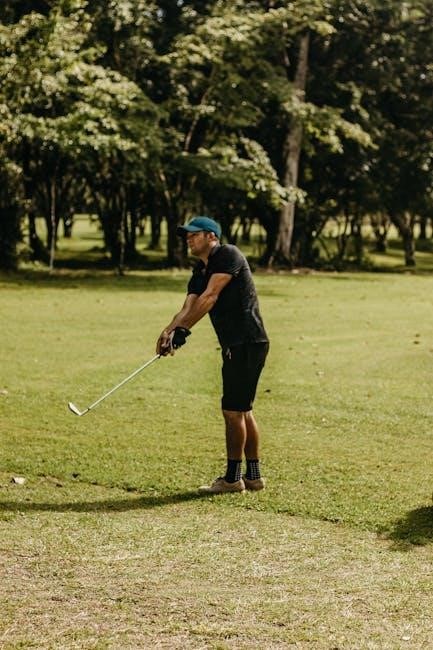
Understanding the anatomy is key; the medial epicondyle is the bony bump on the inside of your elbow. Pain radiates from this point down the forearm. The condition affects the wrist flexor muscles, those responsible for bending your wrist inward. A comprehensive exercise plan, often found in PDF resources, aims to reduce inflammation, improve flexibility, and strengthen these supporting muscles, ultimately restoring pain-free function.
Causes and Symptoms of Medial Epicondylitis
Medial epicondylitis stems from repetitive stress, leading to tiny tears in the tendons connecting forearm muscles to the elbow’s medial epicondyle. Activities involving forceful wrist flexion, gripping, or pronation are primary culprits. Golf swings, particularly with improper technique, are a common cause, but so are tasks like hammering, painting, or even prolonged typing.
Symptoms typically begin as mild discomfort, gradually intensifying to sharp pain on the inside of the elbow. Pain worsens with wrist movement and gripping. Tenderness is present over the medial epicondyle; Individuals may experience weakness in the hand and wrist. A PDF guide detailing exercises can help address these symptoms, but early recognition and modification of aggravating activities are crucial for effective management and preventing chronic issues.
Diagnosing Golfer’s Elbow: When to See a Doctor
While many cases of golfer’s elbow respond to conservative treatment outlined in a comprehensive exercise PDF, knowing when to seek professional medical advice is vital. Consult a doctor if pain is severe, persistent despite home care (rest, ice), or interferes significantly with daily activities.
A physical examination, assessing tenderness and range of motion, is typically the first step. The doctor may perform specific tests to rule out other conditions like ulnar nerve entrapment. Imaging, such as X-rays, can exclude other causes of elbow pain. An MRI might be ordered to evaluate the extent of tendon damage. A detailed PDF resource can supplement professional guidance, but a proper diagnosis ensures appropriate treatment and prevents long-term complications.
Phase 1: Initial Pain Management & Gentle Exercises
Begin with rest, ice, and gentle stretches detailed in the PDF, focusing on reducing inflammation and pain before progressing to strengthening exercises.
Rest and Ice Application
Initial management of golfer’s elbow, as outlined in the PDF, prioritizes rest. Avoid activities that aggravate the pain, allowing the inflamed tendons time to heal. This doesn’t necessarily mean complete immobilization, but a significant reduction in stressful movements.
Ice application is crucial during the acute phase. Apply ice packs wrapped in a thin towel to the inner elbow for 15-20 minutes at a time, several times a day – typically every 2-3 hours. This helps reduce pain, swelling, and inflammation.
The PDF emphasizes avoiding direct skin contact with ice to prevent frostbite. Consistent rest and icing, especially in the first few days, are foundational steps towards recovery, preparing the elbow for subsequent gentle exercises and strengthening protocols detailed later in the guide.
Gentle Stretching Exercises (Wrist Flexor Stretch)
The PDF details a key stretch: the wrist flexor stretch. Begin by extending your affected arm straight out, palm facing up. Gently bend your wrist downwards with your other hand, applying a light pressure. You should feel a stretch along the inner forearm.
Hold this stretch for 15-30 seconds, repeating it 2-3 times. Avoid any sharp or intense pain; the stretch should be mild and comfortable. The guide stresses the importance of slow, controlled movements.
This exercise improves flexibility in the wrist flexor muscles, which are often tight in individuals with golfer’s elbow. Consistent, gentle stretching, as demonstrated in the PDF, helps restore range of motion and prepares the muscles for strengthening exercises, promoting a more complete recovery.
Isometric Exercises for Wrist Flexors
The PDF emphasizes isometric exercises as a foundational step in rehabilitation. These involve contracting the wrist flexor muscles without any joint movement. Sit with your forearm supported, palm up.
Place your other hand on the back of your hand and attempt to curl your wrist upwards, but resist the movement with your opposing hand. Maintain this contraction for 5-10 seconds, repeating 10-15 times.
Crucially, the PDF highlights avoiding pain during these exercises. Isometric contractions build strength without stressing the injured tendon. This phase prepares the muscles for more dynamic movements, gradually increasing load and promoting healing. Consistent performance, as outlined in the PDF, is vital for positive outcomes.
Phase 2: Strengthening Exercises
Progress to targeted strengthening, utilizing wrist curls and reverse curls, building forearm muscle endurance and stability, as detailed within the PDF’s exercise plan.
Wrist Curls (Palms Up)
Perform wrist curls, a foundational exercise in Phase 2, to specifically target the wrist flexor muscles – those often affected by golfer’s elbow. The PDF guide illustrates proper form: sit with your forearm resting on a flat surface, palm facing upwards, and a light weight (or resistance band) in your hand.
Slowly curl your wrist upwards, keeping your forearm stationary, and then slowly lower it back down. Begin with 3 sets of 10-15 repetitions. Focus on controlled movements, avoiding any sharp pain. Gradually increase the weight or resistance as your strength improves, as outlined in the PDF’s progressive loading schedule. This exercise helps rebuild strength and endurance in the affected muscles, promoting healing and preventing re-injury. Remember to consult the PDF for modifications if needed.
Reverse Wrist Curls (Palms Down)
Complement wrist curls with reverse wrist curls, another crucial exercise detailed in the PDF, to balance forearm strength and address potential muscle imbalances. Position yourself similarly to the standard wrist curl – forearm supported, but this time with your palms facing downwards.
Curl your wrist upwards against the resistance, maintaining a stable forearm. Again, aim for 3 sets of 10-15 repetitions, prioritizing controlled movements over heavy weight. The PDF emphasizes the importance of avoiding pain and gradually increasing resistance. This exercise strengthens the wrist extensor muscles, contributing to overall forearm stability and reducing strain on the elbow. The downloadable PDF provides visual aids and detailed instructions for proper execution and progression.
Pronation and Supination Exercises
Enhance forearm rotation with pronation and supination exercises, thoroughly explained within the comprehensive PDF guide. These movements, often overlooked, are vital for restoring full forearm function and preventing recurrence of golfer’s elbow. Sit comfortably with your elbow bent at 90 degrees and your forearm supported.
Slowly rotate your forearm so your palm faces up (supination) and then down (pronation). You can perform this exercise with a light dumbbell or resistance band for added challenge, as detailed in the PDF. Aim for 3 sets of 10-15 repetitions, focusing on controlled, pain-free movements. The PDF stresses the importance of gradual progression and proper form to maximize benefits and avoid exacerbating the condition.
Phase 3: Progressive Loading & Functional Exercises
Advance your recovery with exercises mimicking real-life movements, detailed in the PDF, building strength and endurance for activities like golf, ensuring lasting relief.
Grip Strengthening Exercises (Stress Ball/Hand Gripper)
Enhance forearm and hand strength, crucial for golfers elbow recovery, using simple tools like stress balls or hand grippers. The accompanying PDF details progressive techniques, starting with light squeezes and gradually increasing resistance. Perform 10-15 repetitions for three sets, focusing on controlled movements.
Proper form is paramount; avoid overextending or causing pain. These exercises target the muscles responsible for gripping, improving stability and reducing strain on the affected tendons. The PDF provides modifications for varying strength levels, ensuring a safe and effective workout. Consistent practice, as outlined in the guide, will rebuild grip strength and improve functional capacity, allowing a return to activities with confidence and reduced risk of re-injury. Remember to listen to your body and stop if pain arises.

Forearm Strengthening with Resistance Bands
Utilize resistance bands, detailed within the PDF, to progressively strengthen forearm muscles, vital for golfers elbow rehabilitation. Begin with light resistance and perform exercises like wrist flexion, extension, pronation, and supination. The guide illustrates proper form and technique, emphasizing controlled movements through a full range of motion.
Aim for 10-15 repetitions for three sets, gradually increasing band resistance as strength improves. These exercises target the muscles surrounding the elbow joint, enhancing stability and reducing stress on the injured tendons. The PDF offers variations to accommodate different fitness levels and pain thresholds. Consistent implementation, as prescribed, will rebuild forearm strength, improve grip power, and facilitate a return to pain-free activity. Always prioritize proper form over resistance to prevent further injury.
Simulated Golf Swing Movements (Lightweight)
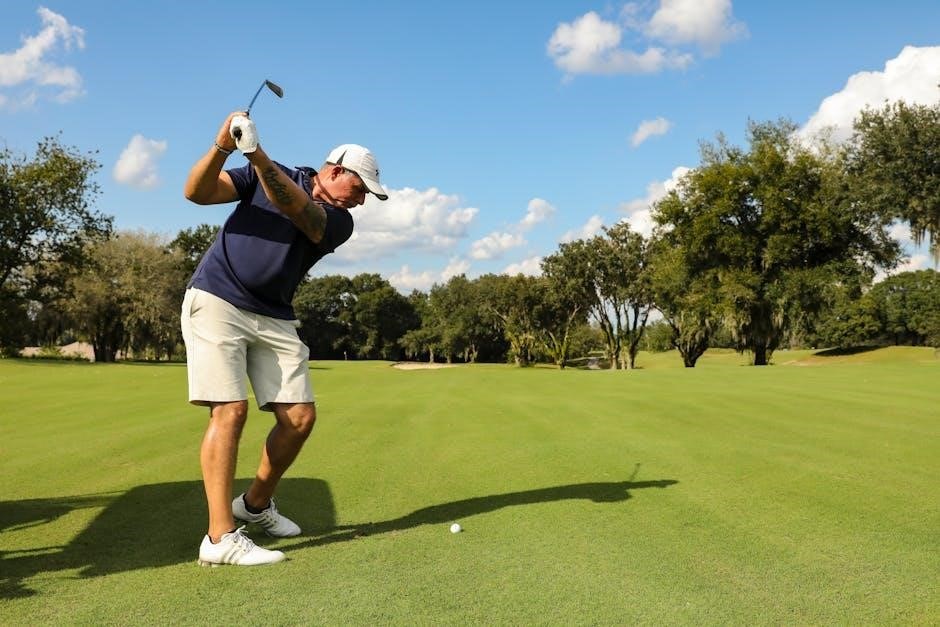
The PDF incorporates lightweight simulated golf swing movements to bridge the gap between rehabilitation and returning to the sport. Start with slow, controlled swings, focusing on proper technique and minimizing stress on the elbow. Use a lightweight club or even just visualize the swing initially.
Gradually increase the range of motion and speed as pain allows, always prioritizing form over power. The guide details specific drills to isolate different phases of the swing, strengthening the muscles used in a golf swing without exacerbating the injury. These movements restore neuromuscular control and prepare the forearm for the demands of golfing. Monitor for any pain and adjust accordingly, ensuring a safe and effective return to play.

Prevention & Long-Term Management
Maintain consistent flexibility and strength through regular exercises, proper warm-up routines, and ergonomic adjustments to prevent recurrence and ensure lasting elbow health.
Proper Warm-up and Cool-down Techniques
Prior to any exercise regimen, a thorough warm-up is crucial for preparing the muscles and tendons around the elbow. Begin with five to ten minutes of light cardiovascular activity, such as arm circles or brisk walking, to increase blood flow.
Follow this with dynamic stretching, focusing on wrist flexion, extension, pronation, and supination. Gentle wrist rotations and forearm stretches are also beneficial. A proper warm-up enhances muscle elasticity and reduces the risk of injury.
Cool-down exercises are equally important. After your workout, perform static stretches, holding each stretch for 20-30 seconds. Focus on the same muscle groups warmed up previously. This helps to gradually decrease muscle tension, improve flexibility, and prevent post-exercise soreness. Consistent warm-up and cool-down routines are vital for long-term elbow health and injury prevention.
Ergonomic Adjustments for Daily Activities
Beyond specific exercises, modifying daily activities can significantly reduce strain on the elbow. Evaluate your workspace: ensure your chair provides adequate support and your keyboard/mouse are positioned to maintain a neutral wrist posture. Avoid prolonged gripping or repetitive motions.
When lifting objects, use proper form – bend your knees and keep the load close to your body. Consider using tools with ergonomic handles to minimize stress on your forearm muscles. Adjust your golf grip if applicable, ensuring it’s not too tight.
Small changes, like using a voice-to-text program or distributing weight evenly when carrying items, can make a substantial difference. Prioritizing ergonomic principles in your daily routine complements exercise and promotes long-term elbow health, preventing recurrence of golfer’s elbow.
Importance of Maintaining Flexibility and Strength
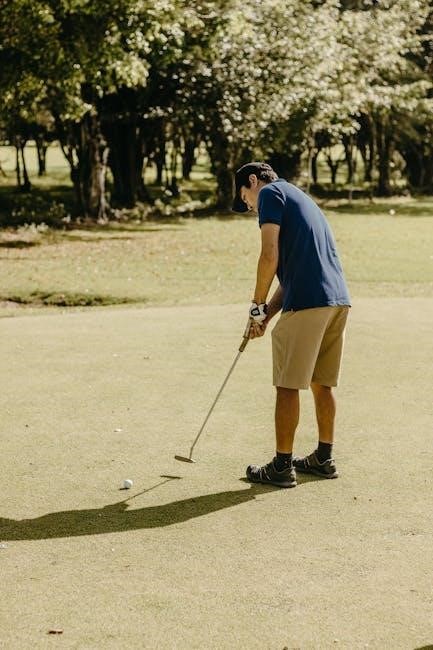
Consistent adherence to a program combining flexibility and strengthening exercises is crucial for long-term golfer’s elbow management. Flexibility exercises, like wrist flexor stretches, maintain range of motion, preventing stiffness and reducing the risk of re-injury. Strengthening exercises rebuild muscle endurance and support the elbow joint.
Neglecting either aspect can hinder recovery. Weak muscles are more susceptible to strain, while limited flexibility restricts movement and increases stress on tendons. A balanced approach ensures optimal function and minimizes the likelihood of symptoms returning.
Regular incorporation of these exercises into your routine, even after pain subsides, is vital for sustained elbow health and continued participation in activities you enjoy, including golf.
Resources & PDF Download
Access expertly crafted PDF guides with detailed exercise plans, and locate qualified physical therapists for personalized care and support, ensuring optimal recovery.
Recommended PDF Resources for Golfer’s Elbow Exercises
Numerous comprehensive PDF resources are available online, offering structured exercise programs for golfer’s elbow, also known as medial epicondylitis. These guides typically categorize exercises into phases – initial pain management, strengthening, and progressive loading – mirroring a rehabilitation protocol often recommended by physical therapists.
Look for PDFs detailing gentle stretches like wrist flexor stretches, isometric exercises to build initial strength without movement, and progressive strengthening with wrist curls and resistance bands. Many resources also include guidance on proper form to prevent re-injury.
Reputable sources often include illustrations or videos demonstrating correct technique. Websites of orthopedic clinics and physical therapy associations frequently offer downloadable PDFs. Always prioritize resources created by qualified healthcare professionals to ensure accuracy and safety. Remember to consult your doctor before starting any new exercise program.
Finding a Qualified Physical Therapist

Locating a skilled physical therapist is crucial for personalized treatment of golfer’s elbow. Seek therapists specializing in orthopedic or sports-related injuries, possessing specific experience with medial epicondylitis rehabilitation. Online directories, such as those provided by the American Physical Therapy Association (APTA), are excellent starting points.
When selecting a therapist, consider their credentials, experience, and patient reviews. A thorough initial evaluation is essential, including a detailed assessment of your pain, range of motion, and functional limitations.
A qualified therapist will develop a customized exercise program tailored to your specific needs and progress, ensuring proper technique and progression. They can also provide manual therapy, modalities like ultrasound, and education on activity modification and prevention strategies.
Long-Term Follow-Up and Monitoring
Consistent monitoring is vital even after initial pain subsides to prevent recurrence of golfer’s elbow. Regular self-assessment of pain levels during and after activity is key. Continue performing the strengthening and flexibility exercises outlined in your PDF guide, gradually increasing intensity as tolerated.
Schedule periodic check-ins with your physical therapist to assess progress and address any emerging issues. They can refine your exercise program and provide guidance on returning to full activity levels, including golf-specific movements.
Pay attention to any warning signs, such as increased pain or tenderness, and modify your activities accordingly. Proactive management and adherence to a long-term exercise plan are essential for sustained relief and optimal function.