
Gold-bearing rock identification relies on understanding geological contexts and mineral associations; numerous PDF guides detail these aspects for prospectors and geologists alike․
These resources often cover visual techniques, chemical assays, and regional geological surveys, aiding in accurate gold source determination․
What is Gold-Bearing Rock?
Gold-bearing rock encompasses any geological formation containing sufficient gold to warrant economic extraction․ These rocks aren’t necessarily visually golden; gold often exists as microscopic particles within other minerals, or as larger nuggets․
PDF guides on gold identification emphasize that host rocks vary widely – from quartz veins to sulfide-rich formations․ Understanding the geological context, as detailed in these resources, is crucial․ Identifying associated minerals, like pyrite, is also key, though pyrite is often mistaken for gold․

Importance of Accurate Identification
Accurate identification of gold-bearing rock is paramount for efficient prospecting and responsible resource management․ Misidentification can lead to wasted time, effort, and financial resources pursuing non-viable claims․
PDF guides on gold identification stress the need to differentiate gold from similar minerals like pyrite (“fool’s gold”)․ Correctly assessing a rock’s potential informs extraction methods and ensures environmentally sound practices, as detailed in geological survey publications․

Types of Gold Deposits
Gold deposits vary widely – vein, placer, disseminated, and skarn – each requiring specific identification techniques detailed in PDF guides for effective prospecting․
Understanding deposit types aids in targeted exploration and accurate assessment of gold-bearing rocks․
Vein Deposits
Vein deposits form when hydrothermal fluids carrying dissolved gold precipitate within fractures and faults in rocks; detailed PDF guides illustrate identifying host rocks like quartz․
These guides emphasize recognizing associated minerals – pyrite, arsenopyrite – often found alongside gold within veins․ Identifying the vein’s orientation and wall rock alteration patterns are crucial․ Prospectors utilize these resources to trace veins and assess their potential, focusing on quartz structures and visible gold occurrences․
Placer Deposits
Placer deposits consist of gold accumulated through erosion and concentration by gravity in stream beds and alluvial fans; PDF guides detail identifying these environments․
These resources focus on recognizing gold’s association with heavy minerals like magnetite and garnet․ Guides illustrate how to assess grain size, shape, and color to differentiate gold from similar materials․ Understanding local drainage patterns and geological history aids in locating productive placer areas, often detailed in regional geological surveys․
Disseminated Deposits
Disseminated gold deposits feature microscopic gold particles spread throughout a large rock mass; specialized PDF guides are crucial for identification․
These resources emphasize the need for advanced techniques like microscopic examination and chemical assays, as visual identification is often impossible․ Guides detail host rock types – often altered igneous rocks – and associated alteration patterns․ Understanding the geological context and employing geochemical analysis, as outlined in these PDFs, is vital․
Skarn Deposits
Skarn deposits form where hydrothermal fluids react with carbonate rocks, often hosting significant gold mineralization; detailed PDF guides are essential for identification․
These resources highlight key indicator minerals like garnet, pyroxene, and wollastonite, alongside gold․ Guides emphasize recognizing alteration patterns within the skarn and understanding the associated metal suites – copper, lead, zinc, and gold․ Geochemical analysis, as detailed in these PDFs, is crucial for confirming gold presence․

Key Minerals Associated with Gold
Gold frequently occurs with other minerals; PDF guides detail these associations, including quartz, pyrite, and arsenopyrite, aiding accurate gold-bearing rock identification․
Quartz
Quartz is a very common mineral found alongside gold, often hosting gold within its veins and fractures․ Many PDF guides on gold-bearing rock identification emphasize recognizing quartz’s association with gold deposits;
Its hardness and resistance to weathering mean it often protects gold, making it a key indicator․ Identifying different quartz varieties – like milky, smoky, or clear quartz – can further refine prospecting efforts, as detailed in geological survey PDFs․
Pyrite (Fool’s Gold)
Pyrite, often called “fool’s gold,” frequently accompanies gold, leading to misidentification․ PDF guides dedicated to gold-bearing rock identification stress differentiating pyrite from genuine gold through tests like streak and hardness․
Pyrite exhibits a greenish-black streak, unlike gold’s golden-yellow streak․ While visually similar, pyrite is significantly harder and more brittle․ Detailed charts within these PDFs aid in accurate visual assessment․
Arsenopyrite
Arsenopyrite is another common gold associate, often requiring careful differentiation via gold-bearing rock identification PDF guides․ It presents a steel-gray metallic luster and can form similar crystal shapes to gold, causing confusion for beginners․
However, arsenopyrite typically displays a more pronounced iridescence and a higher arsenic content․ PDF resources emphasize chemical testing, like the addition of nitric acid, to distinguish it from gold safely and effectively․

Galena
Galena, a lead sulfide mineral, can sometimes be found alongside gold deposits, though it’s not a direct indicator like quartz or pyrite․ Gold-bearing rock identification PDF guides highlight its distinctive metallic luster and cubic crystal structure․
Its high density and soft cleavage are key identifiers․ While not directly associated with gold formation, galena’s presence can suggest hydrothermal activity, potentially leading to gold mineralization, as detailed in specialized PDF resources․
Chalcopyrite
Chalcopyrite, a copper iron sulfide mineral, often presents a brassy-yellow color that can be mistaken for gold, causing confusion during rock identification․ Gold-bearing rock identification PDF guides emphasize differentiating features like its hardness and streak test – chalcopyrite leaves a greenish-black streak․
Its association with porphyry copper deposits sometimes indicates potential gold presence, as detailed in geological survey PDFs, but it’s not a definitive gold indicator․
Visual Identification Techniques
Visual techniques, detailed in gold-bearing rock identification PDFs, involve observing color, luster, and crystal forms to initially assess potential gold presence․
These methods are foundational for field identification before employing more complex tests․
Color and Luster
Gold exhibits a distinctive metallic yellow color, though variations exist depending on alloy composition; PDF guides emphasize this key characteristic for identification․
Its luster is typically bright and metallic, reflecting light intensely, unlike many other minerals․ However, fine gold can appear duller․ Recognizing these nuances, as detailed in prospecting PDFs, is crucial․
Distinguishing gold’s color from pyrite (“fool’s gold”) – often brassy yellow – is a primary skill taught in introductory guides․
Streak Test
The streak test, detailed in many gold prospecting PDF guides, involves rubbing a mineral across a streak plate (unglazed porcelain)․ Gold, due to its softness, yields a yellow streak, though it can be faint and difficult to observe․
Importantly, PDF resources caution that pyrite also produces a greenish-black streak, a key differentiator․ A lack of a visible streak doesn’t necessarily rule out gold, as very fine particles may not leave a discernible mark․
Hardness Test
Gold’s remarkable softness is a crucial identification factor, extensively covered in gold-bearing rock PDF guides․ On the Mohs Hardness Scale, gold registers a 2․5 to 3, meaning it can be easily scratched by a knife blade or even a fingernail․
PDF resources emphasize comparing this to pyrite (6-6․5), which is significantly harder․ However, gold often occurs within harder host rocks, requiring isolation for an accurate hardness assessment․
Crystal Form
PDF guides on gold-bearing rock identification detail that native gold rarely forms well-defined crystals; it’s typically found as irregular masses, flakes, or grains․ However, when crystals do occur, they exhibit isometric (cubic) habits, often appearing as octahedra or dodecahedra․
These PDF resources highlight that identifying these forms requires magnification and experience, as they’re often intergrown with other minerals․ Understanding these crystal habits aids accurate identification․
Using a Magnifying Glass & Loupe
PDF guides emphasize using magnification to identify gold; a loupe reveals fine gold particles and grain size, crucial for assessment and accurate rock identification․
Identifying Gold Grain Size
PDF resources dedicated to gold-bearing rock identification consistently highlight grain size as a critical factor․ Coarse gold, ranging from 0․1 to 2mm, is often described as “free-milling,” meaning it’s easily extracted․ Conversely, fine gold, microscopic in size, presents significant recovery challenges․
Magnification, utilizing a loupe, is essential for accurate assessment․ Determining whether gold is present as flakes, dust, or larger nuggets informs processing techniques and potential yield․ Guides often include charts correlating grain size with deposit type and geological origin․
Detecting Microscopic Gold
PDF guides on gold-bearing rock identification emphasize that detecting microscopic gold requires specialized techniques․ Standard visual inspection is insufficient; a high-powered loupe (10x or greater) is crucial for initial observation․ More advanced methods, detailed in prospecting manuals, include microscopic examination of pan concentrates․
These resources often illustrate how to differentiate gold from similar-looking minerals at high magnification․ Recognizing the unique characteristics of microscopic gold—its malleability and distinct color—is key to accurate identification and potential recovery․

Advanced Identification Methods
PDF resources detail panning, sluicing, and metal detecting as advanced techniques; these methods help confirm gold presence and estimate concentrations within rock samples․
Expert guides provide detailed instructions for maximizing recovery and accurate interpretation of results․
Panning for Gold
Panning for gold, a classic technique, involves swirling material with water to separate heavier gold from lighter materials; numerous PDF guides illustrate proper panning form․
These resources emphasize controlled movements, effective water flow, and recognizing the subtle sheen of gold flakes or nuggets․ Detailed diagrams showcase pan angles and layering techniques․ Experienced prospectors often use riffled pans to trap gold efficiently․ PDFs also cover identifying “black sands” – heavy minerals often found alongside gold – and understanding their significance in gold-bearing deposits․ Mastering panning requires practice, but it’s a fundamental skill for any aspiring gold prospector․
Sluicing
Sluicing utilizes flowing water and a channeled box with riffles to separate gold from sediment; comprehensive PDF guides detail sluice box construction and operation․
These resources explain riffle design, water flow optimization, and classifying materials for maximum gold recovery․ Diagrams illustrate how riffles trap heavier gold particles while lighter materials are washed away․ PDFs also cover sluice box maintenance, cleaning concentrates, and troubleshooting common issues․ Understanding water velocity and feed rate is crucial for efficient gold capture, as detailed in many prospecting PDFs․
Metal Detecting
Metal detecting employs electromagnetic fields to locate conductive metals, including gold; specialized PDF guides detail detector settings and search techniques for gold prospecting;
These resources explain ground balancing, frequency selection, and coil types for optimal gold detection․ PDFs often include information on identifying gold signals versus iron or other trash․ Understanding mineralization and ground conditions is vital, as detailed in prospecting PDFs․ They also cover legal regulations and responsible detecting practices for successful and ethical gold recovery․
Geological Context & Rock Types
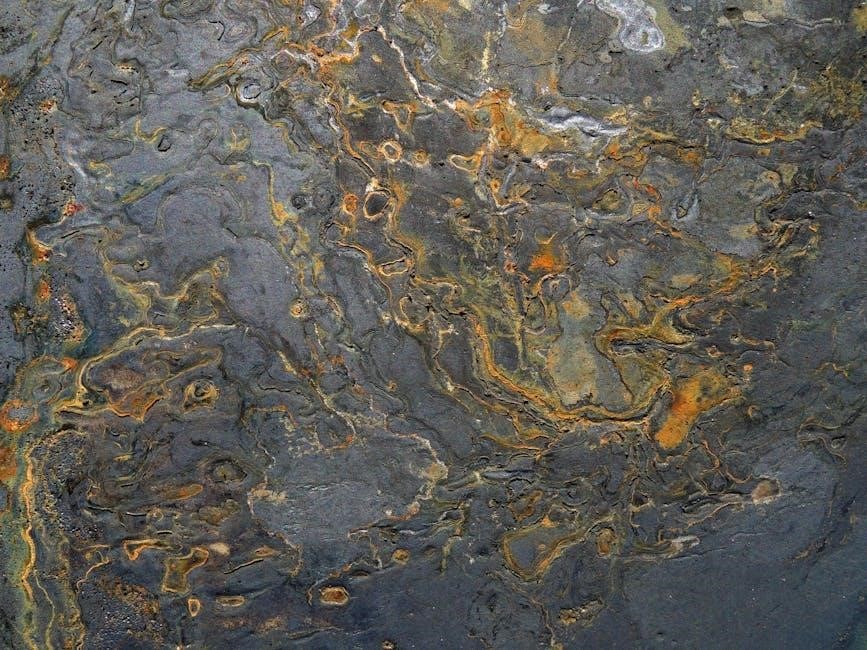
Geological context and host rock identification, like granite or basalt, are crucial; PDF guides detail regional geology and associated gold deposits for prospectors․
Identifying Host Rocks (Granite, Basalt, etc․)
Identifying host rocks is fundamental to gold prospecting, with PDF guides detailing characteristics of common formations like granite, basalt, and quartz diorite;
Granite often hosts vein deposits, while basalt can be associated with disseminated gold; understanding rock textures, mineral inclusions, and alteration patterns—detailed in these guides—is key․
These resources emphasize recognizing hydrothermal alteration zones surrounding intrusions, indicating potential gold mineralization within the host rock’s structure․
Understanding Regional Geology
Understanding regional geology is crucial; PDF resources highlight geological maps and reports detailing fault lines, volcanic arcs, and past tectonic activity influencing gold deposition․
These guides emphasize identifying greenstone belts, known for hosting significant gold deposits, and understanding the stratigraphy of prospective areas․
Analyzing regional metamorphic events and the age of rock formations—as detailed in these PDFs—helps predict favorable locations for finding gold-bearing rocks․
Chemical Tests for Gold
PDF guides detail gold quantification via fire assay and aqua regia; these methods confirm suspected gold presence, offering precise concentration measurements for analysis․
Fire Assay
Fire assay, a traditional method detailed in many gold prospecting PDF guides, involves fusing a rock sample with fluxes like borax and lead oxide at high temperatures․
This process separates gold from other elements, forming a lead button containing the precious metal․ The button’s weight, after careful refinement, directly correlates to the original sample’s gold content․
PDF resources emphasize meticulous technique and safety precautions due to the use of hazardous materials, ensuring accurate and reliable results for gold quantification․
Aqua Regia Test
The Aqua Regia test, frequently described in gold identification PDFs, utilizes a highly corrosive mixture of concentrated nitric and hydrochloric acids – literally “royal water”․
This potent solution dissolves gold, unlike either acid alone, forming a chloroauric acid complex․ Observing dissolution confirms gold presence, though doesn’t quantify it․
PDF guides caution about extreme hazards; proper ventilation, protective gear, and careful waste disposal are crucial when performing this test for preliminary gold detection․
Resources for Further Learning (PDFs & Guides)
Gold-bearing rock PDF guides from USGS and state surveys offer detailed identification techniques, geological maps, and assay information for effective prospecting․
US Geological Survey (USGS) Publications
The USGS provides a wealth of publicly available resources, including numerous PDF reports and publications crucial for gold-bearing rock identification․ These documents detail regional geology, ore deposit models, and mineralogical analyses․
Specifically, look for bulletins and circulars focusing on precious metal deposits, alteration mineralogy, and geochemical exploration techniques․ Many publications feature detailed maps and cross-sections illustrating gold occurrences within specific geological terrains․ Access these valuable PDF guides through the USGS Store and publications warehouse for comprehensive learning․
State Geological Survey Resources
State Geological Surveys offer invaluable, localized data for gold-bearing rock identification, often available as downloadable PDF reports․ These surveys provide detailed geological maps, bedrock geology reports, and mineral resource assessments specific to each state․
Explore publications focusing on historical mining districts, ore deposit types, and geochemical anomalies․ Many states offer online databases and interactive maps showcasing known gold occurrences․ Accessing these state-specific PDF resources significantly enhances regional prospecting efforts and identification accuracy․
Online Gold Prospecting Guides
Numerous websites host comprehensive gold prospecting guides, frequently offering downloadable PDF resources for gold-bearing rock identification․ These guides cover visual identification, geological context, and basic prospecting techniques, often including detailed mineral charts․
Look for guides from reputable prospecting organizations and experienced geologists․ Many offer interactive tools and forums for sharing knowledge․ Utilizing these online PDFs alongside state survey data provides a robust learning platform for aspiring prospectors․
Distinguishing Gold from Similar Minerals
PDF guides emphasize differentiating gold from pyrite, chalcopyrite, and mica via hardness, streak, and luster tests; careful observation is crucial for accurate identification․
Gold vs․ Pyrite – Detailed Comparison
Gold exhibits a malleable, ductile nature, bending without breaking, while pyrite, often called “fool’s gold,” is brittle and fractures easily․ PDF resources highlight that gold’s color is a rich, deep yellow, possessing a metallic luster, unlike pyrite’s brassy-yellow hue․
Streak tests reveal gold leaves a yellow streak, whereas pyrite produces a greenish-black or brownish streak; Hardness also differs; gold is relatively soft (2․5-3 on the Mohs scale), while pyrite is harder (6-6․5)․ Detailed PDF guides emphasize these distinctions for accurate field identification․
Gold vs․ Chalcopyrite
Gold presents as a dense, yellow metal, often found in nuggets or flakes, while chalcopyrite displays a brassy-yellow color but with an iridescent tarnish․ PDF guides emphasize that chalcopyrite is a copper iron sulfide mineral, frequently mistaken for gold due to similar initial appearances․
A key difference lies in streak tests: gold yields a yellow streak, whereas chalcopyrite produces a greenish-black streak․ Hardness also varies; gold is softer (2․5-3 Mohs) than chalcopyrite (3․5-4 Mohs)․ Detailed PDFs aid in distinguishing these minerals effectively․
Gold vs․ Mica
Gold exhibits a metallic luster and is malleable, unlike mica, which displays a pearly or vitreous sheen and cleaves into thin, flexible sheets․ PDF resources highlight that mica minerals, such as muscovite and biotite, are common in many rock types, often leading to confusion․
Gold is significantly denser than mica․ Streak tests are inconclusive for gold (yellow) but mica leaves a colorless streak; PDF guides emphasize careful observation of crystal structure and luster to differentiate these minerals in the field, avoiding misidentification․
Coarse Gold Identification
Coarse gold (0․1-2 mm) is often visibly identifiable, exhibiting a bright yellow color and irregular shape; PDF guides detail its characteristics and common locations․
Characteristics of Coarse Gold
Coarse gold typically presents as visibly distinct, irregularly shaped nuggets or flakes, ranging from 0․1 to 2 millimeters in size․ Its color is a rich, bright yellow, often with a metallic luster․ Unlike fine gold, it doesn’t readily adhere to other materials․
PDF guides emphasize that coarse gold is frequently “free-milling,” meaning it’s easily extracted during processing, or “crack-filling,” found lodged within rock fractures․ Its density is significantly higher than most surrounding minerals, aiding in separation techniques․ Identifying these characteristics is crucial for prospectors․
Where to Find Coarse Gold
PDF resources on gold prospecting highlight that coarse gold is often concentrated in areas with significant geological activity, like ancient riverbeds and fractured quartz veins․ Historically productive regions include California’s Mother Lode, Alaska, and parts of Australia․
Specifically, look for locations downstream from vein deposits or within bedrock crevices․ Placer deposits, formed by erosion, can also yield coarse gold․ Detailed geological maps, often available as PDF downloads, pinpoint promising areas for exploration․

Fine Gold Identification
PDF guides emphasize that identifying fine gold requires meticulous techniques due to its small size; magnification and specialized recovery methods are crucial for success․
Challenges of Identifying Fine Gold
Identifying fine gold presents significant hurdles, as its microscopic size often necessitates advanced techniques beyond simple visual inspection․ PDF resources highlight that distinguishing it from similar-looking minerals, like iron oxides, becomes exceptionally difficult without magnification․
Furthermore, fine gold frequently occurs as flour or dust, making concentration and recovery challenging․ Traditional panning methods may prove ineffective, requiring specialized equipment like sluice boxes with riffle mats designed for capturing these tiny particles․ Accurate identification, as detailed in prospecting PDF guides, is vital to avoid false positives and wasted effort․
Techniques for Recovering Fine Gold
Recovering fine gold demands specialized methods due to its minute size and weight․ PDF guides emphasize the use of sluice boxes equipped with carpet or ribbed mats to trap these particles, improving capture rates compared to traditional panning․
Additionally, techniques like mercury amalgamation (though environmentally concerning) and centrifugal concentrators are detailed in prospecting PDFs․ Effective recovery often involves pre-concentration steps, followed by further refinement using methods like borax fusion, as outlined in advanced geological resources․
Safety Precautions When Handling Rocks
PDF guides stress wearing protective gear—gloves and goggles—when handling rocks; some gold-bearing samples contain hazardous minerals like arsenic, requiring caution․
Protective Gear (Gloves, Goggles)
PDF resources consistently emphasize the necessity of wearing appropriate protective gear during rock handling, particularly when identifying gold-bearing specimens․ Durable gloves are crucial to prevent skin contact with potentially irritating or toxic minerals often associated with gold deposits․
Furthermore, safety goggles are vital to shield your eyes from flying rock fragments during breaking or examination․ Many gold-rich rocks contain trace amounts of hazardous substances, making these precautions non-negotiable for safe prospecting and identification․
Avoiding Hazardous Minerals
PDF guides on gold-bearing rock identification frequently warn about co-occurring hazardous minerals․ Arsenopyrite, for example, contains arsenic and can release toxic fumes when broken or heated; galena contains lead, a known neurotoxin․
Understanding these risks is paramount․ Proper ventilation and avoiding inhalation of dust are crucial․ Detailed PDFs often include mineral identification charts highlighting potentially dangerous substances, enabling prospectors to safely handle and assess samples․