Category Archives: Guide

tv guide yakima wa

Your comprehensive guide to TV listings in Yakima‚ Washington‚ offering schedules for local channels‚ prime time shows‚ news‚ weather‚ and community events to plan your viewing experience.

Overview of TV Listings in Yakima‚ Washington

Yakima‚ Washington offers a diverse range of TV listings‚ catering to various viewer preferences. From local news and weather updates to popular prime-time shows‚ the guide provides detailed schedules for channels like FOX 11‚ KIMA CBS‚ and KAPP ABC 35. Residents can access both broadcast and cable TV listings‚ ensuring they never miss their favorite programs or local events. The TV guide also includes options for antenna users‚ allowing viewers to enjoy free over-the-air channels. Whether you’re interested in national news‚ sports‚ or community updates‚ the Yakima TV listings offer a comprehensive overview of what’s airing in your area. Use the guide to plan your viewing schedule and stay informed about local happenings.

Local TV Channels in Yakima‚ WA

Yakima boasts a variety of local TV channels‚ including FOX 11‚ FOX 41‚ KAPP ABC 35‚ and KIMA CBS‚ offering diverse entertainment‚ news‚ and community-focused programming.

FOX 11 TV Guide

FOX 11 in Yakima‚ WA‚ offers a diverse lineup of programming tailored to local viewers. The channel features popular shows like The Good Day Show‚ Mr. Food‚ and Northwest Fishing Reports‚ providing entertainment‚ cooking tips‚ and outdoor enthusiasts’ content. FOX 11 also broadcasts local news‚ weather updates‚ and sports highlights‚ ensuring viewers stay informed about events in Yakima and beyond. Prime time programming includes hit series and live events‚ while community-focused segments highlight local stories and initiatives. With its mix of national and regional content‚ FOX 11 serves as a go-to source for viewers seeking both entertainment and information. The channel’s schedule is updated regularly‚ making it easy for audiences to plan their viewing experience around their favorite shows and programs.

FOX 41 TV Guide

FOX 41 in Yakima‚ WA‚ delivers a wide array of programming tailored to local audiences. The channel airs popular shows like Good Day Yakima‚ FOX 41 News at 10‚ and Mr. Food Cooking Segments‚ blending entertainment‚ news‚ and lifestyle content. FOX 41 also features community-focused segments‚ including Community Events Calendar and Contests‚ keeping viewers engaged with local happenings. Sports enthusiasts can enjoy live games and highlights‚ while prime time programming offers a mix of dramas‚ comedies‚ and reality TV. The channel’s schedule is designed to cater to diverse interests‚ ensuring there’s something for everyone. With its blend of local and national content‚ FOX 41 remains a trusted source for news‚ entertainment‚ and community updates in the Yakima area.

KAPP ABC 35 Schedule

KAPP ABC 35 is a trusted source for entertainment‚ news‚ and community updates in Yakima‚ Washington. The channel’s schedule features a mix of local programming and popular ABC shows. Viewers can enjoy KAPP ABC 35 News‚ which covers regional stories‚ weather‚ and sports. Entertainment options include ABC dramas‚ reality TV‚ and daytime shows like Good Morning America and General Hospital. The station also broadcasts family-friendly programming and live events‚ making it a go-to for diverse audiences. With a focus on local relevance‚ KAPP ABC 35 ensures viewers stay informed and entertained. Check the TV guide for detailed schedules and plan your viewing experience with ease.

KIMA CBS Yakima Listings

KIMA CBS Yakima provides comprehensive TV listings for viewers in Yakima‚ Washington‚ and surrounding areas. The channel offers a diverse lineup of programming‚ including CBS network shows‚ local news‚ sports‚ and weather updates. Popular shows such as CBS Evening News‚ 60 Minutes‚ and Blue Bloods are featured‚ along with local segments tailored to the Yakima community. KIMA CBS Yakima also broadcasts live events‚ ensuring viewers stay connected to regional happenings. With a focus on quality entertainment and timely updates‚ KIMA CBS Yakima is a trusted source for television programming. Check the TV guide for detailed schedules and plan your viewing experience with KIMA CBS Yakima’s extensive lineup of shows and events.

Popular TV Shows and Programs

Discover Yakima’s favorite TV shows‚ including Good Day Show‚ Mr. Food Cooking Segments‚ and Prime Time Lineup‚ offering entertainment‚ news‚ and cooking for all audiences.

Prime Time Lineup in Yakima

Yakima’s prime time lineup offers a diverse range of shows‚ blending local favorites with national hits. Catch popular dramas‚ comedies‚ and reality TV on channels like FOX 11‚ KIMA CBS‚ and KAPP ABC 35. From gripping series to light-hearted entertainment‚ there’s something for everyone. Don’t miss exclusive local programming that highlights the region’s culture and events. Check the daily schedule to plan your evening viewing and stay updated on the latest episodes of your favorite series. Yakima’s prime time is the perfect mix of entertainment and information‚ ensuring a great viewing experience for all audiences.

Good Day Show Schedule

The Good Day show is a staple in Yakima’s morning routine‚ airing weekdays with a fresh blend of news‚ weather‚ and community highlights. Tune in for live segments featuring local events‚ interviews‚ and updates. The show also includes popular features like Mr. Food Cooking segments‚ offering quick and delicious recipes. Stay informed with traffic updates‚ sports highlights‚ and lifestyle tips. Check the daily schedule to catch the latest episodes and plan your morning viewing. With its engaging format and local focus‚ Good Day is the perfect way to start your day in Yakima. Make sure to set your DVR or watch live to stay connected to what’s happening in your community and beyond.

Mr. Food Cooking Segments

The Mr. Food Cooking Segments are a beloved part of Yakima’s TV programming‚ offering quick‚ easy‚ and delicious recipes for home cooks. Airing during popular shows like Good Day‚ these segments feature Mr. Food’s signature style of simple‚ flavorful dishes. Viewers can enjoy a variety of cooking tips and tricks‚ perfect for busy families or culinary enthusiasts. The segments often highlight seasonal ingredients and crowd-pleasing meals. Check the Yakima TV Guide to catch the latest episodes and plan your cooking schedule. With its focus on practical yet tasty recipes‚ Mr. Food has become a staple for many locals. Tune in for inspiration to elevate your next meal without sacrificing time or flavor.

Local News and Weather

Stay informed with Yakima Local News Updates and the latest Weather Forecast for Yakima. Coverage includes news‚ sports‚ and events for Terrace Heights‚ Union Gap‚ and surrounding areas.

Yakima Local News Updates

Stay updated with the latest news from Yakima and surrounding areas‚ including Terrace Heights‚ Union Gap‚ Selah‚ Toppenish‚ Tieton‚ and Wapato. Get breaking news‚ sports updates‚ and community highlights.

Watch Good Day Yakima for morning updates and Mr. Food Cooking Segments for recipe ideas. Check KIMA CBS Yakima Listings and KAPP ABC 35 Schedule for comprehensive coverage.

Access News Videos and Traffic Cams for real-time updates. Discover local contests‚ events‚ and weather forecasts tailored to your area. Your one-stop source for Yakima’s latest happenings!

Weather Forecast for Yakima

Stay ahead of Yakima’s changing weather conditions with detailed forecasts. Currently‚ on 05/19/2025 09:33:03‚ expect clear skies with a high of 78°F and a low of 58°F.

Tomorrow will bring partly cloudy skies‚ with a high of 75°F and a low of 55°F. The 5-day forecast predicts mild temperatures‚ ranging from 73°F to 80°F‚ with occasional light winds.

Check your local TV listings for weather updates‚ or tune into KIMA CBS Yakima or KAPP ABC 35 for real-time weather reports. Plan your day with accurate forecasts tailored to Yakima’s unique climate.

Community and Events

Discover Yakima’s vibrant community with our event calendar. Explore local fairs‚ festivals‚ and cultural activities. Submit your events for coverage and stay connected to community happenings.

Community Events Calendar

Stay informed about Yakima’s vibrant community events with our detailed calendar. Discover local fairs‚ festivals‚ cultural activities‚ and community gatherings. Whether it’s a farmers’ market‚ outdoor concert‚ or charity fundraiser‚ the calendar provides a comprehensive list of events happening in and around Yakima. Users can explore events by date‚ category‚ or location‚ making it easy to plan your week. Additionally‚ the calendar features submission guidelines for local organizations to promote their events‚ ensuring a diverse and inclusive representation of community activities. By staying updated with the latest happenings‚ residents and visitors can engage fully with Yakima’s thriving community life. This resource is your go-to for connecting with local culture‚ entertainment‚ and civic involvement. Check back regularly for new listings and updates!

Event Submission Guidelines

To ensure your event is listed in the Yakima‚ WA Community Events Calendar‚ follow these guidelines. Submit events at least two weeks in advance using the official submission form. Include the event name‚ date‚ time‚ location‚ description‚ and contact information. Events must be open to the public and align with community standards. Submissions are reviewed for relevance and appropriateness before publication. Accepted events will appear in the calendar listing‚ promoting local activities and fostering community engagement. For more details‚ visit the submission page or contact the events team directly. Help share Yakima’s vibrant culture by submitting your event today and connecting with residents and visitors alike. Ensure all information is accurate to avoid delays in publication.

Customize your Yakima‚ WA TV listings for a personalized viewing experience. Explore local channels‚ prime shows‚ news‚ and events to stay entertained and informed. Visit the guide today!

How to Customize Your TV Listings

To tailor your Yakima‚ WA TV guide‚ select your preferred cable‚ satellite‚ or antenna provider. Filters allow you to view specific channels or genres‚ ensuring a personalized experience. Sign in to save favorite shows and receive alerts for new episodes or movies. Use the TV antenna map to check signal strength and choose the best antenna for reception. Customize listings by time slots‚ such as primetime or daytime‚ to focus on preferred viewing hours. Explore additional features like weather forecasts or community events integrated into your guide. Regularly update your preferences to reflect new interests or schedule changes. By customizing‚ you can maximize your entertainment and stay informed about local news and events in Yakima.

moon guide red moon

Welcome to the Red Moon Guide, your ultimate resource for understanding lunar cycles and their impact on deer hunting․ This guide explores how the Red Moon phenomenon, characterized by peak gravitational pull, influences deer activity and movement patterns․ By leveraging MoonGuide’s exclusive insights, hunters can plan strategically to maximize their chances of success during key periods․ Learn how to align your hunting trips with Red Moon phases for optimal results․

1․1 Understanding the Red Moon Phenomenon

The Red Moon phenomenon refers to specific lunar periods when the moon’s gravitational pull peaks, significantly influencing deer activity․ These events, occurring roughly every 27 days, are crucial for hunters as they often coincide with increased movement and feeding patterns among deer․ The Red Moon is distinct from a Blood Moon, which is caused by atmospheric conditions during lunar eclipses․ Understanding this cycle is key to predicting deer behavior and planning successful hunts․

1․2 Importance of the Red Moon in Hunting

The Red Moon’s gravitational influence significantly impacts deer behavior, making it a critical factor in hunting success․ Hunters can leverage this phenomenon to predict peak activity and movement patterns, increasing their chances of encountering mature bucks․ By scheduling hunts during Red Moon periods, particularly in October and November, hunters can capitalize on these prime times for deer activity, as highlighted by success stories like Adam Hays’ giant Kansas buck․

What is a Red Moon?

The Red Moon refers to specific lunar periods when the moon’s gravitational pull peaks, influencing deer activity․ It is not a lunar eclipse but a term used by MoonGuide to signify these high-impact phases, occurring several times monthly, and is a key factor in hunting strategies․

2․1 Definition and Scientific Explanation

The Red Moon, as defined by MoonGuide, represents periods of peak lunar gravitational influence․ It occurs during specific phases when the moon’s gravitational pull is strongest, typically aligning with heightened deer activity․ This phenomenon is rooted in lunar cycles and their effects on Earth’s tides and wildlife behavior․ Unlike a Blood Moon, the Red Moon is not a visual lunar eclipse but a calculated event based on gravitational peaks․

2․2 Blood Moon vs․ Red Moon: Key Differences

While both phenomena are linked to the moon, they differ significantly․ A Blood Moon refers to a lunar eclipse, giving the moon a reddish hue, often associated with cultural significance and astronomical events․ In contrast, the Red Moon, as defined by MoonGuide, focuses on periods of peak gravitational pull, influencing deer activity․ Unlike the Blood Moon, the Red Moon is not a visual event but a calculated phase based on lunar cycles and their effects on wildlife․

The Role of the Red Moon in Deer Hunting

The Red Moon significantly influences deer behavior, with increased activity during peak gravitational pull․ Hunters use this phase to plan strategically for successful outings․

3․1 How the Red Moon Affects Deer Activity

The Red Moon phase triggers heightened deer activity due to increased gravitational pull, which disrupts their usual feeding and resting patterns․ Deer become more active during these periods, especially during early morning and late evening hours․ Hunters can capitalize on this by setting up in areas with abundant food sources, as deer are more likely to venture out in search of sustenance․

3․2 Peak Gravitational Pull and Deer Movement

During the Red Moon, the peak gravitational pull intensifies, causing significant deer movement․ This heightened activity is most noticeable during early morning and late evening hours when deer are most active․ Hunters can strategically position themselves near food sources and trails, as deer are drawn to these areas during the increased gravitational influence, making it an ideal time for successful hunting excursions․

MoonGuide Red Moon Science

MoonGuide offers exclusive insights into Red Moon science, revealing how peak gravitational pull aligns with deer activity patterns․ This advanced lunar data helps hunters predict movement accurately, ensuring strategic planning for successful hunts during key periods․

4․1 Exclusive Insights from MoonGuide

MoonGuide provides unparalleled insights into Red Moon periods, revealing peak gravitational pull and its alignment with deer activity․ By analyzing lunar cycles, MoonGuide accurately predicts Red Moon phases, enabling hunters to plan trips during optimal times․ This exclusive data helps hunters identify key periods when deer movement is highest, maximizing their chances of success during hunts in October and November․

4․2 How Red Moon Periods Are Calculated

Red Moon periods are calculated by analyzing lunar cycles, focusing on peak gravitational pull phases․ MoonGuide uses historical data and celestial patterns to predict these periods, ensuring accuracy․ By extrapolating previous months’ trends, hunters can identify Red Moon dates and times, scheduling hunts to coincide with heightened deer activity․ This methodical approach ensures optimal planning for successful hunting experiences․

Practical Hunting Strategies During Red Moon

Maximize your hunting success during Red Moon phases by scheduling trips in October and November․ Use MoonGuide’s calendar to identify peak activity times and plan accordingly․

Focus on areas with high deer movement during these periods, ensuring optimal results by aligning strategies with lunar cycles and peak gravitational pull․

5․1 Best Times and Locations for Hunting

The best hunting times occur during peak Red Moon periods, typically in late October and early November․ Hunters should focus on areas with high deer activity, such as feeding grounds and trails near dense cover․ Using MoonGuide’s calendar, identify specific times when deer movement peaks and plan your hunt accordingly for maximum success․

5․2 Planning Hunts with the MoonGuide Calendar

Plan your hunts strategically using the MoonGuide calendar, which identifies Red Moon periods—specific times when the moon’s gravitational pull peaks, enhancing deer activity․ These periods, often in late October and early November, are ideal for hunting․ By scheduling your trips around these phases, you can position yourself in high-activity areas, maximizing your chances of success․ MoonGuide’s insights help you prepare effectively, ensuring you’re in the right place at the right time to capitalize on increased deer movement․

Real-Life Success Stories

Explore real-life tales of hunters like Adam Hays, who successfully hunted giant bucks using MoonGuide’s strategic Red Moon insights during peak activity․

6․1 Adam Hays and the Giant Kansas Buck

Adam Hays’ remarkable hunt highlights the effectiveness of the MoonGuide system․ During a Red Moon phase, he strategically patterned and harvested a giant Kansas buck, showcasing how aligning hunts with lunar cycles can lead to extraordinary success․ This story exemplifies how MoonGuide’s insights help hunters capitalize on peak deer activity, making it a testament to the guide’s reliability and effectiveness in real-world scenarios․

6․2 Hunter Experiences and Testimonials

Hunters widely praise the MoonGuide system for its accuracy in predicting deer movement during Red Moon phases․ Many share stories of successful hunts, attributing their achievements to the guide’s precise timing and location insights․ Testimonials highlight how scheduling hunts during peak Red Moon activity, especially in October and November, significantly increases chances of encountering mature bucks․ Hunters emphasize the tool’s reliability and its role in their success․

The Blood Moon and Its Significance

The Blood Moon, known for its striking red hue, signifies a rare lunar event․ It enhances the Moonlit Mutation, boosting fruit productivity and captivating hunters with its mystical aura․

7․1 Cultural and Astronomical Perspectives

The Blood Moon holds deep cultural and astronomical significance, often viewed as an omen or rare celestial event․ Astronomically, it occurs during a total lunar eclipse, where Earth’s atmosphere scatters red light onto the moon․ Culturally, it has been associated with myths and legends, symbolizing transformation and change․ This phenomenon also aligns with peak deer activity, making it a critical period for hunters using the MoonGuide to plan their strategies effectively․

7․2 Bloodlit Mutation and Its Impact

The Bloodlit Mutation, triggered by the Blood Moon, enhances the growth and transformation of fruits and vegetation․ This phenomenon attracts deer to abundant food sources, increasing their activity during these periods․ Hunters using the MoonGuide can identify Blood Moon phases to strategically plan hunts, leveraging the heightened movement patterns of deer․ This alignment of lunar events and deer behavior offers a unique advantage for successful hunting trips․

Advanced Tips for Maximizing Red Moon Hunts

Schedule hunts during October and November’s Red Moon phases for optimal deer movement․ Use MoonGuide to plan ahead and identify peak gravitational pull periods, ensuring strategic positioning for success․

8․1 Scheduling Hunts in October and November

October and November are prime months for Red Moon hunts, as deer activity peaks during these periods․ Use MoonGuide to identify exact Red Moon dates and plan accordingly․ The strong gravitational pull during these phases increases deer movement, making it an ideal time for successful hunting․ Schedule your trips to coincide with the last Red Moon of October or early November for the best results․

8․2 Using MoonGuide for Long-Term Planning

MoonGuide offers a reliable tool for long-term planning, allowing hunters to predict Red Moon phases months in advance․ By analyzing lunar cycles, hunters can schedule hunts during peak deer activity․ This strategic approach ensures you’re in the right place at the right time, maximizing your chances of success․ Plan your hunting trips with confidence using MoonGuide’s precise and proven methodology․

The Gravitational Pull of the Moon

The moon’s gravitational pull fluctuates during lunar cycles, with MoonGuide designating ‘red times’ for peak strength and ‘black times’ for secondary peaks, helping hunters schedule effectively․

9․1 Understanding Lunar Cycles and Tides

Lunar cycles influence tides and wildlife activity through gravitational pull․ The MoonGuide highlights ‘red times’ as peak gravitational periods, impacting deer movement․ Hunters use these insights to plan hunts during heightened activity, leveraging the moon’s natural cycles for success․ Understanding these patterns helps align hunting strategies with nature’s rhythms, maximizing opportunities during key phases․

9․2 Red Times vs․ Black Times: Gravitational Strength

Red times indicate the Moon’s strongest gravitational pull, while black times represent the second strongest․ This variation in gravitational strength significantly impacts deer activity, with red times often triggering peak movement․ Hunters use MoonGuide to identify these periods, optimizing their strategies during red times for higher success rates in the field․

Deer Behavior During Red Moon Periods

Deer exhibit heightened activity and feeding patterns during Red Moon periods, making these times ideal for hunting․ Hunters leverage MoonGuide to pinpoint peak movement for success․

10․1 Increased Activity and Feeding Patterns

MoonGuide reveals that during Red Moon phases, deer activity surges, especially during peak gravitational pull hours․ This heightened movement is linked to feeding patterns, as deer forage more actively․ Hunters using MoonGuide can identify these key periods, optimizing their strategies to capitalize on increased deer movement and feeding behavior, leading to more successful hunting outcomes․

10․2 Patterns for Mature Whitetail Bucks

Mature whitetail bucks exhibit distinct movement patterns during Red Moon phases, often becoming more active during peak gravitational hours․ MoonGuide data shows these bucks tend to move more frequently at dawn and dusk, aligning with feeding and mating behaviors․ Hunters can use this information to anticipate and prepare for encounters, increasing their chances of targeting trophy bucks effectively․

Expert Opinions on Red Moon Hunting

Experts validate the MoonGuide’s effectiveness, with hunters like Adam Hays sharing success stories․ Strategic planning during Red Moon phases significantly increases chances of encountering mature deer, ensuring optimal results․

11․1 Insights from Hunting Experts

Hunting experts emphasize the Red Moon’s significance, with Adam Hays highlighting its role in patterning deer movement․ They recommend using MoonGuide to identify peak activity periods, ensuring hunters are in the right place at the right time․ By aligning hunts with Red Moon phases, experts achieve consistent success, leveraging lunar science to predict and capitalize on deer behavior effectively․

11․2 Podcast Discussions and Key Takeaways

Podcast discussions, like Adam Hays on the HUNTR Podcast, reveal how hunters use Red Moon phases to predict deer activity․ Key takeaways include scheduling hunts during October and November’s Red Moon periods for optimal success․ MoonGuide’s calendar is praised for its accuracy, helping hunters plan months in advance and locate deer during peak movement times, ensuring a higher chance of encountering mature bucks․

The Benefits of Using MoonGuide

MoonGuide provides precise predictions of deer movement, enabling hunters to plan hunts strategically․ Its exclusive insights into Red Moon periods ensure optimal scheduling for successful hunting experiences․

12․1 Predicting Deer Movement with Accuracy

MoonGuide’s advanced algorithm accurately predicts deer movement by analyzing lunar cycles, particularly during Red Moon phases․ This tool identifies peak activity periods, helping hunters plan strategically․ By understanding gravitational influences, hunters can locate deer more effectively, increasing their chances of success during key hunting seasons․

12․2 A Proven Tool for Successful Hunts

MoonGuide has a proven track record of helping hunters achieve success․ With over 20 years of data and real-life testimonials, it offers precise insights into deer movement․ Hunters like Adam Hays have shared their experiences, showcasing how MoonGuide’s Red Moon predictions led to successful hunts․ This tool provides a reliable advantage, helping hunters plan with confidence and precision, ensuring they are in the right place at the right time․

MoonGuide’s Red Moon insights are crucial for successful deer hunting․ Plan hunts with precision using the guide’s proven strategies to maximize your chances of success․

13․1 Summarizing the Red Moon Guide

The Red Moon Guide provides a comprehensive understanding of lunar cycles and their impact on deer behavior․ By leveraging MoonGuide’s expert insights, hunters can identify peak activity periods, plan strategically, and increase their success rates․ The guide combines scientific explanations with real-life testimonials, such as Adam Hays’ Kansas buck hunt, to offer actionable advice for hunters; It emphasizes the importance of timing and location, ensuring hunters are prepared for optimal results during Red Moon phases․

13․2 Final Advice for Hunters

Plan your hunts with precision using the MoonGuide calendar to identify peak Red Moon periods․ Schedule trips during October and November for optimal results․ Stay adaptable and observant, as deer behavior can vary․ Trust MoonGuide’s proven science to maximize your success․ By aligning your strategies with lunar cycles, you’ll increase your chances of a memorable and rewarding hunting experience․

knife sharpening angle guides

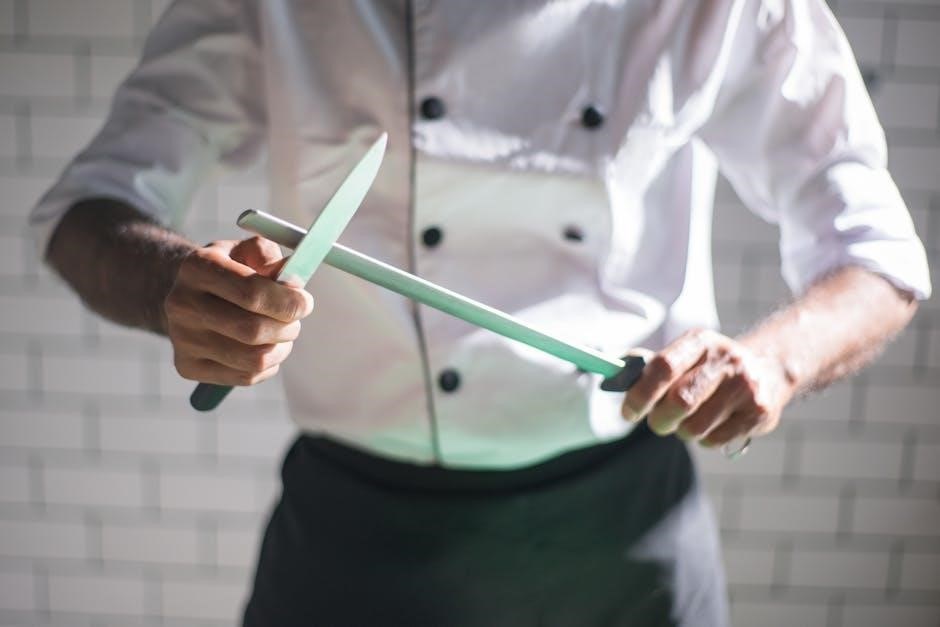
Knife sharpening angle guides are essential tools for achieving precise blade edges. They help maintain consistent angles, crucial for sharpness and durability. These devices have evolved from simple mechanical aids to advanced laser-guided systems, catering to both beginners and experts. By ensuring the correct angle, they prevent over-sharpening and extend knife life, making them indispensable for enthusiasts and professionals alike.

1.1 Why Angle Guides Are Essential for Sharpening

Angle guides are crucial for maintaining precise control during sharpening, ensuring the blade reaches its optimal sharpness. They prevent over-sharpening, which can weaken the knife, and help achieve consistent results. Guides are especially vital for beginners, as they simplify angle determination. For experts, they provide reliability and efficiency. The correct angle varies by knife type, with softer steels requiring steeper angles and harder steels needing lower ones. Using a guide ensures the edge aligns perfectly, enhancing durability and performance, making them an indispensable tool for all sharpening tasks.

1.2 Brief History of Angle Guides in Knife Sharpening

Angle guides have evolved significantly, transitioning from simple mechanical aids to advanced tools like laser-guided systems. Originally, sharpeners relied on manual techniques, using their thumbs and index fingers to estimate angles. By the 1990s, experienced sharpeners could identify specific degrees, such as 17° or 20°, through practice. However, this method was challenging for beginners, leading to the development of mechanical angle guides. These tools simplified the process, ensuring consistency. The introduction of laser-guided systems in recent years further enhanced precision, making sharpening accessible to everyone; This evolution reflects the growing demand for efficient, accurate sharpening solutions.

Types of Knife Sharpening Angle Guides

Knife sharpening angle guides come in various forms, including roller-style, clamp-on, and laser-guided tools, each designed to help achieve precise sharpening angles for different knife types.

2.1 Roller-Style Angle Guides

Roller-style angle guides are simple, mechanical tools designed to help maintain consistent sharpening angles. They typically feature adjustable rollers that glide along the knife’s edge, ensuring precise control. These guides are versatile and work well with various sharpening surfaces, including whetstones and steel rods. By aligning the knife at the desired angle, they prevent uneven sharpening and extend the blade’s life. Roller-style guides are particularly popular among beginners, as they simplify the learning process of achieving the perfect edge. Their portability and ease of use make them a favorite for both hobbyists and professionals.

2.2 Clamp-On Angle Guides

Clamp-on angle guides are sturdy tools that attach securely to the sharpening surface, ensuring precise angle control. They are highly adjustable, allowing users to set specific angles for different knife types. These guides are ideal for maintaining consistency and preventing errors, especially for those new to sharpening. By clamping onto the whetstone or steel, they provide stability and ease of use. Clamp-on guides are versatile and work well with various sharpening tools, making them a reliable choice for achieving sharp, professional-grade edges with minimal effort.

2.3 Laser-Guided Angle Tools

Laser-guided angle tools represent the pinnacle of precision in knife sharpening. These advanced devices use laser technology to project a clear, visible line indicating the ideal sharpening angle. They are highly accurate and eliminate guesswork, ensuring consistent results. Laser guides are particularly useful for beginners, as they provide real-time feedback and help develop muscle memory. Their adjustability and ease of use make them suitable for various knife types. Despite their higher cost, laser-guided tools offer unmatched precision, making them a valuable investment for serious sharpening enthusiasts and professionals seeking flawless edges.

How to Determine the Correct Sharpening Angle

Determining the correct sharpening angle involves understanding the knife type and its intended use. Markers or thumb placement can help test and maintain the ideal angle, ensuring precision and consistency for optimal sharpness.

3.1 Understanding Knife Types and Their Ideal Angles

Knife types vary, and each requires specific angles for optimal sharpness. Kitchen knives typically use 17-20 degrees, while pocket and outdoor knives range from 20-25 degrees. Japanese knives often require sharper angles, such as 15-18 degrees, for precision cutting. Softer steels benefit from steeper angles, while harder steels perform better at lower angles. Understanding the knife’s intended use and steel type helps determine the ideal angle, ensuring effectiveness and longevity of the blade. This knowledge is foundational for mastering the sharpening process.

3.2 Using a Marker to Test the Angle

Using a marker to test the angle is a practical method to ensure accuracy during sharpening. Mark the knife’s edge with a permanent marker, focusing on a small section. As you sharpen, observe how the marker wears off. If the marker remains, adjust the angle; if it fades unevenly, your angle may be off. This technique provides immediate feedback, helping you find the ideal angle without special tools. It’s especially useful for developing muscle memory and ensuring consistent results across different knife types.

3.3 The Role of Thumb and Index Finger in Feeling the Angle

Experienced sharpeners often use their thumb and index finger to gauge the sharpening angle. The angle is typically measured between the thumb and the knife’s edge, with the index finger guiding the blade’s position. This method relies on developing muscle memory to consistently replicate the desired angle. For example, a 17-20 degree angle can be approximated by aligning the knife’s edge with the first joint of the thumb. This tactile approach is invaluable for maintaining precision and is especially useful when no angle guide is available, making it a skill worth mastering for both beginners and experts alike.

Common Sharpening Angles for Different Knives

Most knives are sharpened at 17-20 degrees for kitchen use, while pocket and outdoor knives often range from 20-25 degrees. Japanese knives typically use sharper angles of 15-18 degrees.

4.1 Kitchen Knives: 17-20 Degrees

Kitchen knives typically require a sharpening angle of 17-20 degrees for optimal performance. This range balances sharpness and durability, making it ideal for everyday use. A 20-degree angle is most common, as it provides a strong edge for cutting through various foods. For lighter tasks, such as slicing vegetables, a slightly sharper 17-degree angle may be preferred. Using an angle guide ensures consistency, preventing over-sharpening and extending the knife’s life. This range is versatile enough for both straight-edge and serrated kitchen knives.

4.2 Pocket and Outdoor Knives: 20-25 Degrees

Pocket and outdoor knives are best sharpened at a 20-25 degree angle, balancing sharpness and edge strength. This range suits their tough, versatile use, from cutting ropes to hard materials. The slightly more obtuse angle enhances durability, reducing the risk of chipping during rugged tasks. Angle guides are crucial for consistency, preventing over-sharpening and ensuring efficient maintenance. This angle is ideal for various steel types and maintains the knife’s geometry, crucial for outdoor reliability and performance.

4.3 Japanese Knives: Sharper Angles (15-18 Degrees)

Japanese knives are sharpened at 15-18 degrees, requiring precise angle guides for their sharp, delicate edges. This narrower angle enhances cutting precision, ideal for slicing and filleting. The acute angle demands careful technique, often assisted by specialized guides to maintain consistency. These knives, typically made from hard steel, benefit from lower angles for superior edge retention. Using angle guides ensures the maintenance of their unique geometry, preserving their renowned sharpness and performance in culinary tasks.

How to Use an Angle Guide Effectively

Align the knife at the desired angle using the guide. Maintain consistent pressure and stroke direction to ensure precision and avoid over-sharpening, enhancing the blade’s longevity.

5.1 Step-by-Step Guide to Sharpening with an Angle Guide

To sharpen effectively, position the knife at the desired angle using the guide. Hold the knife firmly and draw it across the sharpening surface in smooth, consistent strokes. Check the edge regularly with a marker to ensure even sharpening. Flip the knife to sharpen the other side, maintaining the same angle. Light pressure and steady movement are key to avoiding over-sharpening. Repeat until the edge is sharp, then finish with a clean, light stroke to remove any micro-burs. This method ensures precision and longevity for your blade.

5.2 Tips for Maintaining Consistency

Maintaining consistency when sharpening requires attention to detail and repetition. Always use the same sharpening stone or surface to ensure uniformity. Keep the angle guide securely attached to prevent slippage during strokes. Apply steady, light pressure and move the knife in smooth, controlled motions. Regularly inspect the edge with a marker to track progress. By following these practices, you can achieve a consistently sharp edge, enhancing both the knife’s performance and its longevity. Consistency is key to mastering the sharpening process effectively.

Choosing the Right Angle Guide for Your Needs

Selecting the right angle guide involves considering material durability, adjustability, and ease of use. Choose tools that suit your skill level and sharpening frequency for optimal results.

6.1 Factors to Consider: Material, Adjustability, and Ease of Use

When selecting an angle guide, consider its material, as steel and plastic options vary in durability and portability. Adjustability is crucial for versatility, allowing use with different knife types and angles. Ease of use is key, especially for beginners, ensuring a smooth learning curve. Lightweight designs enhance maneuverability, while robust constructions offer long-term reliability. Prioritize features that align with your sharpening frequency and skill level to optimize performance and satisfaction. Balancing these factors ensures the right tool for your needs.

6.2 Recommendations for Beginners vs. Experienced Sharpeners

Beginners benefit from angle guides with simplicity and clear markings, helping them maintain consistent angles without confusion. Experienced sharpeners may prefer adjustable or precision tools, allowing for refined control. For those new to sharpening, opt for guides with visual indicators or preset angles to build confidence. Seasoned users can explore advanced features like micro-adjustments or customizable settings for specialized tasks. Matching the tool to skill level ensures effective sharpening and enhances the learning process for beginners while catering to the precision needs of experts. This balance maximizes efficiency and satisfaction.

Maintenance and Care of Angle Guides

Regular cleaning with mild detergents, thorough drying to prevent rust, and storing in protective cases ensure longevity. Avoid extreme temperatures and abrasive materials.

7.1 Cleaning and Storing Your Angle Guide

Cleaning your angle guide regularly is vital to maintain its accuracy and longevity. Use a soft cloth dampened with mild soap and water to wipe down the surface, ensuring no abrasive materials scratch the guide. After cleaning, thoroughly dry the tool to prevent rust or corrosion. Store the angle guide in a protective case or pouch to shield it from dust and accidental damage. Proper storage ensures it remains in optimal condition for future use.

7.2 Troubleshooting Common Issues

Common issues with angle guides include misalignment, wear, and difficulty adjusting angles. Check for loose parts and tighten screws if necessary. If the guide slips during use, ensure the knife is held firmly and the surface is stable. For stubborn angles, refer to the manufacturer’s instructions or calibration guidelines. Regular maintenance, such as cleaning and proper storage, can prevent many of these problems. Addressing issues promptly ensures consistent and effective sharpening results.

Knife sharpening angle guides are indispensable for achieving precision and consistency. They enhance sharpness, prevent over-sharpening, and extend blade life, making them essential for both enthusiasts and professionals.

8.1 Key Takeaways for Effective Knife Sharpening

Consistent angles are crucial for sharpness and durability. Guides ensure precision, preventing over-sharpening and extending blade life. Beginners benefit from adjustable tools, while experts rely on thumb placement. Testing angles with markers or fingers enhances accuracy. Softer steels require steeper angles, while harder steels prefer lower ones. Regular maintenance and proper storage of guides are essential. By mastering these techniques, anyone can achieve professional-level sharpness, making angle guides indispensable for all knife enthusiasts.

8.2 The Future of Angle Guides in Sharpening Technology

The future of angle guides promises advanced precision and innovation. Emerging technologies like AI-powered sharpening tools and smart sensors could offer real-time angle feedback. Laser-guided systems may become more affordable and widespread. Eco-friendly materials and adjustable designs tailored to specific knife types are expected to rise. These advancements aim to simplify the sharpening process for beginners while enhancing efficiency for experts. As technology evolves, angle guides will continue to play a pivotal role in achieving razor-sharp edges with minimal effort.