
Construction Estimate PDF: A Comprehensive Plan
Construction estimate PDFs are vital documents detailing project costs; they offer a structured approach to budgeting, utilizing templates in Excel or dedicated software․
What is a Construction Estimate PDF?
A construction estimate PDF is a detailed document outlining all anticipated costs associated with a building project․ It’s more than just a price tag; it’s a comprehensive breakdown, often originating from Excel spreadsheets or specialized estimating software and finalized as a Portable Document Format (PDF) file․ This format ensures consistent viewing across different platforms and prevents unauthorized alterations․
These estimates encompass direct costs – labor, materials, and equipment – alongside indirect expenses like permits, insurance, and project management overhead․ A well-prepared PDF estimate serves as a crucial communication tool between contractors, clients, and stakeholders, providing transparency and a clear understanding of the project’s financial implications; It’s a foundational element for successful project planning and execution․
The Purpose of a Construction Estimate
The primary purpose of a construction estimate is to predict the total financial investment required to complete a project accurately․ It’s a critical tool for determining project feasibility, securing funding, and establishing a realistic budget․ Estimates allow contractors to bid competitively while ensuring profitability, and enable clients to make informed decisions about proceeding with the work․
Beyond budgeting, a detailed estimate facilitates cost control throughout the project lifecycle․ It provides a baseline for tracking expenses, identifying potential overruns, and implementing corrective actions․ Furthermore, a well-documented estimate serves as a reference point for change orders and dispute resolution, protecting the interests of all parties involved․ Ultimately, it’s about minimizing financial risk and maximizing project success․
Key Components of a Construction Estimate PDF
A comprehensive construction estimate PDF includes several key elements․ Firstly, a clear basis of estimate outlining the methodology and accuracy levels (e․g․, +/- 10%) is crucial․ Secondly, a detailed scope of work definition precisely describes the project’s boundaries and deliverables․ This forms the foundation for accurate cost calculations․
The core of the estimate then breaks down costs into direct and indirect categories․ Direct costs encompass labor, materials, and equipment․ Indirect costs include permitting and fees, insurance and bonds, and project management overhead․ A well-structured PDF will present these components in a clear, organized manner, often utilizing tables and summaries for easy comprehension and review․
Basis of Estimate & Accuracy Levels
The basis of estimate defines the methodology used to calculate project costs․ A common approach is a /-10% grade estimate, indicating a preliminary level of detail․ This section clarifies whether costs are based on historical data, vendor quotes, or detailed quantity takeoffs․ Specifying the source of pricing is essential for transparency․
Accuracy levels are critical for managing expectations․ Estimates aren’t guarantees; they’re projections․ Clearly stating the potential variance (e․g․, +/- 5%, +/- 15%) helps stakeholders understand the inherent uncertainty in construction projects․ Factors influencing accuracy include the completeness of the scope of work and the availability of reliable pricing information․
Scope of Work Definition
A precise scope of work definition is foundational to any accurate construction estimate PDF․ This section meticulously details exactly what is included in the project – and equally important, what is excluded․ It outlines all tasks, materials, and deliverables, preventing misunderstandings and costly change orders later․
The scope should break down the project into distinct phases or work packages (architectural, structural, MEP, etc․)․ Clear descriptions, drawings, and specifications are vital․ Ambiguity must be avoided․ A well-defined scope serves as the benchmark against which all costs are calculated and progress is measured, ensuring everyone involved shares a common understanding of the project’s boundaries․
Direct Construction Costs Breakdown
Direct construction costs represent expenses directly tied to physically building the project․ A detailed construction estimate PDF meticulously itemizes these costs․ This breakdown typically includes three primary categories: labor, materials, and equipment․ Labor costs account for wages, benefits, and payroll taxes for all on-site personnel․

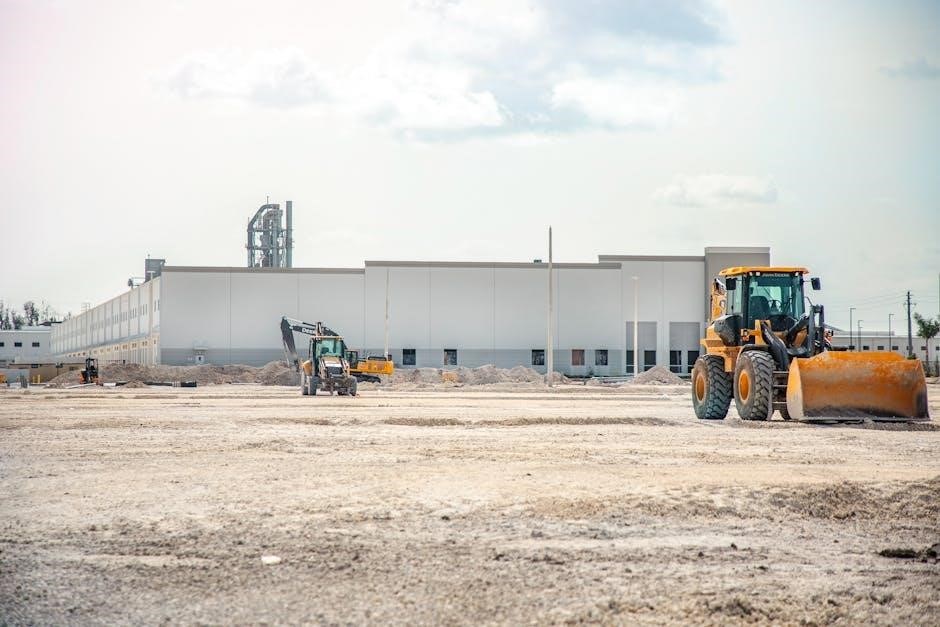
Material costs cover all building supplies – concrete, lumber, steel, fixtures, and finishes․ Equipment costs encompass rental or purchase expenses for machinery like excavators, cranes, and power tools․ Accurate quantification of each element is crucial, often relying on detailed quantity takeoffs from project drawings and specifications․ Proper categorization ensures transparency and facilitates cost control throughout the project lifecycle․
Labor Costs
Labor costs within a construction estimate PDF are a significant component, encompassing all wages, payroll taxes, insurance, and benefits for on-site workers․ Estimators must accurately determine the number of labor hours required for each task, considering skill levels and productivity rates․ This involves breaking down the work into specific activities – framing, plumbing, electrical, and so on – and assigning appropriate labor hours to each․
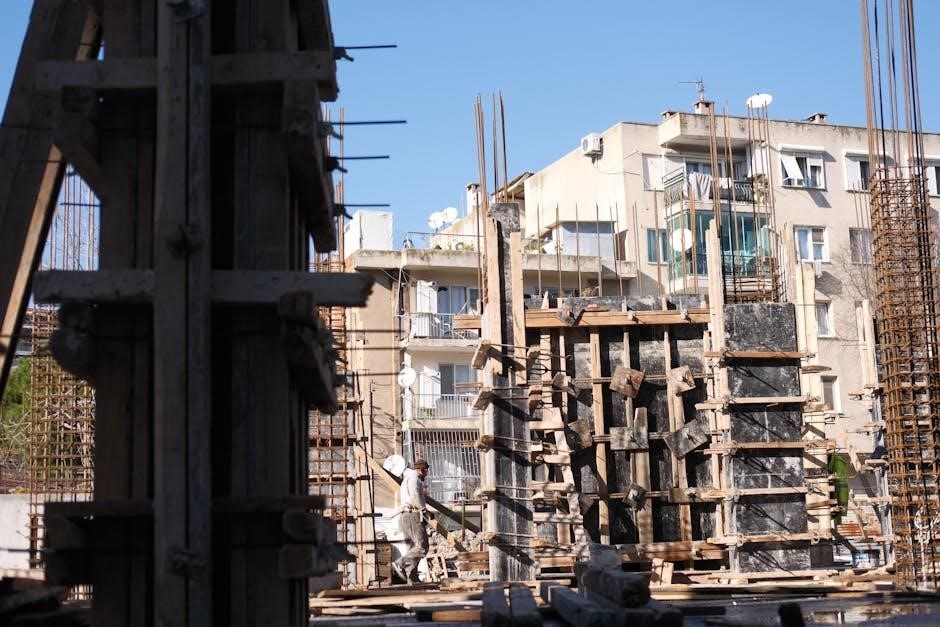
Prevailing wage rates, union agreements, and potential overtime must also be factored in․ A well-prepared estimate details labor costs by trade, providing a clear understanding of where personnel expenses are concentrated․ Accurate labor cost estimation is vital for project profitability and avoiding budget overruns․
Material Costs
Material costs form a substantial portion of any construction estimate PDF, requiring meticulous detailing of all necessary supplies․ This includes everything from lumber, concrete, and steel to fixtures, finishes, and specialized components․ Estimators must obtain current pricing from suppliers, accounting for potential price fluctuations and bulk discounts․
A comprehensive material takeoff is crucial – a precise quantity calculation of each item needed․ The estimate should specify material grades, sizes, and quantities, minimizing waste and ensuring accurate procurement․ Transportation costs and potential storage fees should also be included․ Accurate material cost estimation directly impacts the overall project budget and profitability․
Equipment Costs
Equipment costs within a construction estimate PDF encompass both the rental or purchase of machinery and the associated operational expenses․ This includes heavy equipment like excavators, cranes, and loaders, as well as smaller tools such as power saws and drills․ Estimators must factor in rental rates (daily, weekly, or monthly) or purchase prices, considering depreciation if buying․
Fuel consumption, maintenance, repairs, and operator labor are significant operational costs that must be included․ Transportation of equipment to and from the job site also adds to the expense․ A detailed equipment schedule, outlining each item, its usage duration, and associated costs, is essential for a transparent and accurate estimate․

Indirect Construction Costs
Indirect construction costs, detailed within a construction estimate PDF, are expenses not directly tied to physical construction but are crucial for project completion․ These encompass items like necessary permitting and fees required by local authorities, as well as insurance and bonds – including liability, worker’s compensation, and performance bonds – protecting all parties involved․
Furthermore, project management overhead, covering salaries for supervisors, administrative staff, and site office expenses, constitutes a significant portion․ Temporary utilities, site security, and general conditions (like portable toilets and fencing) also fall under indirect costs․ Accurate accounting for these expenses ensures a realistic project budget and prevents unforeseen financial strain․
Permitting and Fees
Within a comprehensive construction estimate PDF, permitting and fees represent a critical, often underestimated, component of indirect costs․ These expenses vary significantly based on location, project scope, and local regulations․ Building permits, zoning approvals, environmental impact assessments, and inspection fees all contribute to this category․

Accurately researching and including these costs is vital; failure to do so can lead to project delays and substantial financial penalties․ The estimate PDF should itemize each permit required, along with its associated fee, based on current local government schedules․ Contingency should be added to account for potential unforeseen permitting challenges or fee increases during the project lifecycle․
Insurance and Bonds
A detailed construction estimate PDF must account for insurance and bonds, representing significant indirect costs protecting all parties involved․ General liability insurance safeguards against property damage or bodily injury, while workers’ compensation covers employee injuries on site․ Professional liability insurance (errors & omissions) is crucial for design-build projects․
Furthermore, performance bonds guarantee project completion, and payment bonds ensure subcontractors and suppliers receive timely payment․ The estimate PDF should clearly outline the type and cost of each insurance policy and bond required, factoring in coverage limits and premium rates․ Accurate budgeting for these items mitigates financial risk and ensures project stability․
Project Management Overhead
Within a comprehensive construction estimate PDF, project management overhead represents crucial indirect costs beyond direct construction․ This encompasses salaries for project managers, superintendents, and administrative staff overseeing the project’s execution․ It also includes office expenses like rent, utilities, and software licenses necessary for effective coordination․
Furthermore, costs associated with site supervision, quality control, and regular project reporting fall under overhead․ A well-defined estimate PDF will itemize these expenses, often calculated as a percentage of the total direct costs or a fixed fee․ Accurate allocation of overhead ensures profitability and realistic project budgeting, preventing unforeseen financial strain․
Utilizing Construction Estimate Templates (PDF & Excel)
Construction estimate templates, available in both PDF and Excel formats, significantly streamline the budgeting process․ Excel provides flexibility for customization and detailed calculations, while PDF templates offer a standardized, presentable format for client submissions․ Utilizing pre-built templates, like those from BuildBook, ensures no critical cost component is overlooked – architectural, structural, mechanical, electrical, and plumbing are often pre-categorized․
These templates facilitate accurate project cost projections, aiding in informed decision-making․ They allow for easy modification to reflect specific project requirements and local pricing․ Properly used, these resources save time and reduce the risk of errors, leading to more competitive and reliable bids․

Software for Creating Construction Estimates (PDF Output)
Numerous software solutions cater to generating professional construction estimates with PDF output capabilities․ These tools move beyond basic spreadsheets, offering features like integrated pricing databases, labor cost calculations, and customizable templates․ Many platforms allow for seamless subcontractor bid integration, ensuring accurate and up-to-date costing․
Software options range from dedicated estimating programs to comprehensive project management suites with estimating modules․ The ability to generate detailed, visually appealing PDF reports is crucial for client presentations and project documentation․ These programs often include features for revision tracking and change order management, streamlining the entire estimating workflow and improving overall project control․
Subcontractor Bidding and Integration
Effective construction estimate PDFs rely heavily on accurate subcontractor bids․ Modern estimating software facilitates a streamlined process for soliciting, receiving, and integrating these bids directly into the overall estimate․ This integration minimizes errors and ensures all costs are accounted for, creating a more reliable project budget․
The ability to compare bids side-by-side, track revisions, and manage communication with subcontractors is essential․ Some software allows subcontractors direct access to bid requests, fostering transparency and efficiency․ Properly integrated subcontractor data within the PDF estimate provides a clear audit trail and supports informed decision-making throughout the project lifecycle, ultimately reducing potential cost overruns․
Estimate Revision and Change Orders
Construction estimate PDFs are rarely static documents; revisions are inevitable due to unforeseen conditions or client requests․ Robust estimating software allows for easy updating and version control, clearly documenting all changes made to the original estimate․ This historical record is crucial for maintaining transparency and accountability;
Change orders, detailing alterations to the scope of work, must be meticulously integrated into the PDF estimate․ The software should facilitate the creation of change order forms linked directly to the estimate, outlining cost and schedule impacts․ Properly managed revisions and change orders, clearly presented within the PDF, prevent disputes and ensure all parties are aligned on the final project cost․
PDF Format Advantages for Construction Estimates
Utilizing PDF format for construction estimates offers significant advantages․ PDFs ensure consistent viewing across all devices and operating systems, preventing formatting discrepancies․ They are universally accessible and easily shareable with clients, subcontractors, and project stakeholders․ Crucially, PDFs can be password protected, safeguarding sensitive cost information․
Furthermore, PDFs support embedded digital signatures, providing a legally binding record of approval․ Interactive elements, like fillable forms for change orders, can be incorporated․ The format’s ability to retain detailed formatting—including logos, fonts, and images—maintains a professional presentation․ A well-structured construction estimate PDF promotes clarity and minimizes misinterpretations, streamlining the project approval process․
Example: School Building Construction Estimate (PDF Structure)
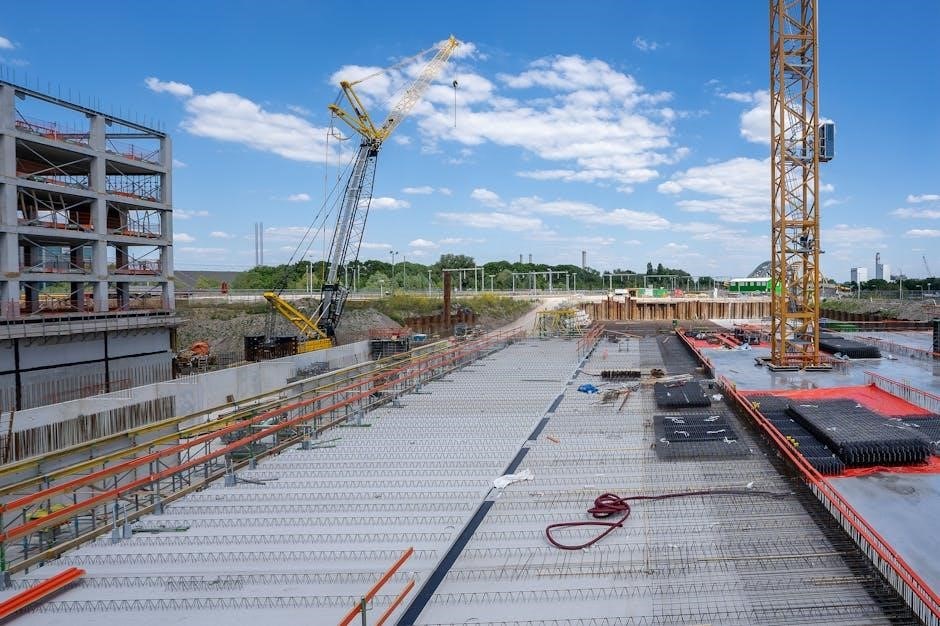
A school building construction estimate PDF typically begins with a cover page detailing project name, location (like Badvel, Kadapa, India), and organization details․ Following this is an executive summary outlining total project cost․ Subsequent sections break down costs: architectural, structural, MEP (mechanical, electrical, plumbing), and site work․
Each section itemizes labor, materials, and equipment․ A detailed scope of work defines project boundaries․ Contingency allowances (e․g․, /-10% grade estimate) are included․ The PDF should feature a clear summary table displaying cost categories and totals․ Subcontractor bids are often appended, alongside assumptions and exclusions․ Finally, signature blocks for contractor and client approval complete the document, ensuring accountability․
Resources for Free Construction Estimate Templates
Numerous online resources offer free construction estimate templates in PDF and Excel formats․ BuildBook provides a v1․5 template for download, facilitating detailed cost breakdowns․ BuildingAdvisor offers estimating & budgeting worksheets, useful for tracking actual versus estimated costs․ Several websites host generic construction estimate templates adaptable to various projects․
Searching online for “free construction estimate template” yields numerous options, including those compatible with Apple Pages, Numbers, and Keynote; StepInDev, while primarily a programming resource, highlights the importance of accurate cost projections․ Remember to carefully review and customize any downloaded template to align with your specific project requirements and local pricing․